Principles of Community: 5 Thoughts on How to Build Safe, Inclusive, Engaging Spaces for Students

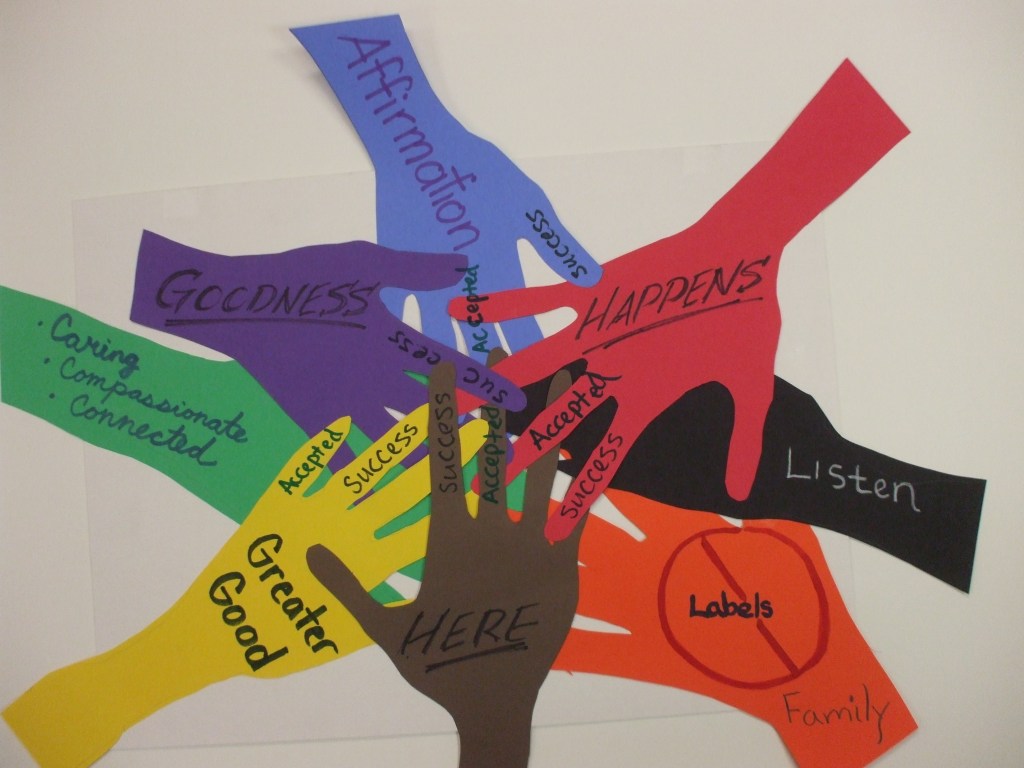
Community has to be one of my favorite words. It’s a word that has been steeped in a strictly religious context for me for so many years, yet the idea of community, belonging to a socially connected root system, has also been life saving. Communities are where I found healing from trauma, where I found parents and queer elders, where I found partners and friends, where I learn. Community is relational. It is a critical element of change and visible demonstration of our relational values, so how do we bring folks together in a classroom to build this community, how do we engage with students so that they are building community well, and also how do we uphold boundaries for the critical wellness of our students and ourselves? The following represents a few thoughts on community in the classroom, and discussions with colleagues about supporting students with relational intention in spaces of engagement. We hope that this is the start of many conversations about fostering community, and we welcome you to offer your thoughts, strategies, practices, trials, and questions. 

Why Community?

First, it’s important to note that we’re approaching community from a hooks perspective: community is vital and necessary to the teaching and learning process. Without a spirit of community, we cannot approach the classroom with a democratic practice, minimize authoritarianism, or foster learning “…as an experience that enriches life in its entirety.” If we want to change our students’ lives, we have to recognize the value community has in the learning process, mainly that it is a relational process. As educators we focus a lot on how we can produce activities, assessments, reports to demonstrate our effectiveness in the classroom, but how many times do we look to the quality of our relationships with students to determine success? If humanizing and creating spaces of belonging and inclusion are necessary for equity work, then community needs to be the lens through which the classroom and engagement spaces are curated. In his work, Enhancing Adult Motivation to Learn, Raymond J. Wlodkowski makes note that “learning requires us to perceive a person’s thinking and emotions as inseparable from each other and from the social context in which the activity takes place” (96). Thinking and emotions are inseparable for the purpose of learning, which leads me to start asking some questions about my practice in the classroom, especially when I think about engaging students: 

  • How do I address my student’s emotions on a weekly basis? 
  • What language do my students have to talk about their own emotions? 
  • What language do I use to talk about emotions?
  • What emotions do I bring to students? 
  • What emotions are most critical for fostering trust and inclusion? 

When these basic principles of love form the basis of teacher-pupil interaction the mutual pursuit of knowledge creates the conditions for optimal learning. -bell hooks

Teaching Community

If we approach the classroom with these questions and emotion-based principles first, the work of building community has a chance to stick. We cannot do community as an activity, we must approach students in the spirit of community. This is perhaps the largest takeaway that I’ve had in using relational/emotional principles for equity work: My beliefs about community and my own spiritual wellness are going to impact the community work in my classroom, relational wellness of my students, and the trust we have with each other. 

So, the following are 5 core strategies and principles to remember when doing equity-focused student engagement and community building. We can take these principles as challenges to our own identities as educators and then also use them to curate meaningful spaces for students built on trust, inclusion, and belonging. 

Strategy #1: Positionality Awareness & Trauma Acknowledgement 

We have lately said that our first meeting with students is crucial. It’s the first day where we have the chance to make or break trust with students, but this is a false understanding. Our trust starts with students the day they learn our names, see our faces on websites, and watch our names tagged on Discord or GroupMe. Our names and reputations follow us, and students really love to help each other out with this. They know who to trust and who to avoid. We’d be remiss if we didn’t acknowledge this as a vital part of community building and student engagement. Our reputations are our responsibility. What presence do I put forth on campus to communicate trust to the students that I will potentially have in my classrooms? 

This kind of engagement is unseen from our perspective, but not from our students’ perspectives. They are watching and they know. 

One professor, in Picture of a Professor, writes about a critical activity she does with her students on the first day of class before addressing the syllabus or any other academic agenda items: 

Grounded in the understanding of the structural conditions and institutional barriers that Latinas in the professoriate experience, and the importance of critical reflexivity for facilitating inclusive learning communities in the college classroom, in this chapter, I describe the “What Comes to Your Mind?” activity as a tool to help students recognize and work to transform their problematic biases about who a professor is. I offer this activity as a pedagogical tool for educators to use during the first day of class. Critical reflexivity can help facilitate students’ understanding of how their perceptions of who a professor is, or what a professor looks like, undermine opportunities for meaningful learning and the cultivating of positive student-educator relationships. (Fernandez 53)

“Critical Reflexivity as a Tool for Students to Recognize Biases” by Jesica Siham Fernández

Fernandez flips the script a bit here to offer us a reflection on how students come to the professor-student relationship with biases as well. Positionality is a two-way street, and in order to cultivate meaningful engagement, we must tackle bias as a conceptual problem. In a similar manner, relationship experts encourage folks to see one another as supportive partners in tackling relational problems rather than seeing one another as the problem. This is a similar principle when applied to student-professor relationships: how can we tackle the problem of positionality and privilege together. We can acknowledge, provide language, address, and soothe. This practice builds trust on day one (for a detailed breakdown of Fernandez’s scripted exercise – consider coming to our March 30, zoom COP session during college hour)

For light-skinned, cishet, able-bodied folks, there exists a responsibility in acknowledging positionality and power dynamics before students walk into the classroom. This means bringing our faces to the students to help build that trust before the classroom. Whether it’s on a website or in the engagement centers, our online and physical presence across the campus matters when we present ourselves in the classroom. 
In a similar manner, bringing awareness to the traumas that students face because of these power imbalances is also crucial. Bettina Love in We Want to Do More than Survive, reminds us that the education system is built to reiterate the racial and identity inequities of our larger society and “are often forced to simply survive the harsh conditions of school, and this focus on survival limits their ability to truly thrive and be well.” (qtd. in Venet 59). So, how can we break away from the classroom as a place of trauma and bring in healing? How do we address the realities of trauma without overwhelming or dismissing students’ experiences and emotions (and our own)?

Strategy #2: Personal Relationships in Visible Spaces 

When as professors we care deeply about our subject matter, when we profess to love what we teach and the process of teaching, that declaration of emotional connection tends to be viewed favorably by administrators and colleagues. When we talk about loving our students, these same voices usually talk about exercising caution. -bell hooks, Teaching Community

There are several ways in which we can have relational value in the student-professor engagement. We can bring ourselves to the visible spaces of where students live. In other words: get out there. Step out into the community. Find the pockets of where students are and be there. 

  • Hosting office hours in spaces where you can find connections to student communities is a great example of building trust into our reputations as faculty. 
  • Being present for students and taking an interest in their holistic college experience helps humanize us, giving them a context of who we are as people outside of the classroom. If we’re not with students outside of the classroom, it’s going to be more challenging to find moments of community in the classroom. 
  • Two of our colleagues are going to share more about this, but using the engagement centers as pivotal spaces to build trust and inclusion can be fruitful when it comes to being faculty who are trustworthy. 
  • Focus on stories: listening to student stories is also another great way to engage in these spaces, making their stories the central focus of your engagement can inform our practices. If we want to reach them in the classroom, let’s find out who they are outside of it. 

Strategy #3: Creating Critical Wellness

Another strategy for engagement that fosters community-building is approaching the classroom space (online and F2F) with critical wellness. In Equity-Centered Trauma-Informed Education, Venet reminds us that “[h]umanizing school requires that we dispense with the outdated idea that children or adults can somehow divorce their brains from the bodies. Why do schools so often pretend that it’s possible to leave our emotional and physical selves outside of school and bring only our intellectual selves into the classroom?”(58). Honoring students’ wellness means addressing the ways that their bodies and emotional histories are present with us in the learning process. Venet challenges us to create classrooms and engagement spaces as “places that can increase our personal and community wellness, not deplete it” (58). If our focus on learning seeks only to engage the intellect, we are doing our students a disservice. They walk through the doors and the browser windows with a whole host of emotions, and more tragically, with not a lot of language or tools to even recognize that they do. 

One of the challenges and barriers I’ve sought to tackle (and I know others are as well) is to provide students with language and space for emotional regulation before I ask them to produce an artifact or face an academic challenge. By giving language to their emotions, students can ease anxieties, increase blood flow, stimulate spatial awareness, and find an outlet for potential healing. Venet takes the term critical wellness from Tyrone C. Howard and contributors in All Students Must Thrive, focusing specifically on the point that “wellness cannot be a solo endeavor” (58-59). Healing takes a village, and for 16-weeks (or 8 if you’re fast-tracking), we have an opportunity to facilitate this process and weave it in with the learning. By focusing on topics like students’ mental health, coping mechanisms for anxiety, emotional regulation, and trauma awareness, we allow students to be fully human – to showcase their inner life in conjunction with their visible identities. 

There are several strategies I’ve adopted and created to do this, which I will link to here, and include scripts for: 

  • Writing and identifying emotions 
  • Regulating breathing in the classroom together 
  • Grounding 
  • Anxiety soothing 
  • Emotional regulation 

Most of this can be done fairly quickly (5 min), but the act of consistency (doing it more than once) and intentionality (starting with it), addresses students’ whole selves in the learning process.  

Interdisciplinary Deep Dive: for a deeper dive on using emotion-based community practices in group work, consider research on the dynamics of groups and healing from Chris Burris’s Creating Healing Circles.

Strategy #4: Boundaries Create Safety

Perhaps a counterargument to this perspective is: but how much of this is really my responsibility? I can’t answer that for any one person, but I can say that the more we provide relational support for students, the more successful they’ll be. This doesn’t mean we enable oversharing or focus solely on these relational skills, but rather use our relational skills when needed, strategically and intentionally, by setting boundaries. 

Having scripts readily available for when students venture into more delicate conversations can be very helpful as we navigate the growing mental health crises on our campuses. My class in the fall had a very robust discussion one day on our theme of love. They asked questions that were text-driven but deeply personal. At the point at which they asked if they should “break up with so-and-so because of they way he’s been treating me,” I said, “I’m not really trained to give that kind of advice or support, but I definitely encourage you to talk to a therapist.” The class, represented by multiple voices shouted: “But YOU are our therapist. We need your help.” 

While I redirected the thought that I would be a therapist to them, what didn’t escape me was their need to be seen in that moment. That someone would teach them not only how to write, but how to love well, how to communicate, how to set boundaries. It’s important to note that this was in week 10 or so, and after we’d built a lot of trust around the topics of love, relationships, systemic oppression, and healing. We’d written about love, we’d discussed it, but now they wanted to know how to embody it. I was out of my element, and I believe I stumbled my way through that conversation. In this next semester, I’m teaching the same themes, but I’m preparing scripts now for how to create boundaries with our conversations. Boundaries that allow me to tell them I see them, but that also keep me and others’ safe in the classroom from potentially triggering or oversharing moments. 

Scripting potential conversations and responses to emotional distress is also a great way to foster engagement with students. It is a teaching moment that says “Even though I can’t directly help you, I still care that you receive the help you need.” 

  • What content in your classroom leaves students emotionally charged? 
  • How can you script and prepare for responses ahead of time to foster inclusion without cutting off their emotional experiences? 
  • How can we teach others in the class how to respond and create boundaries as well? 

Interested in scripts? Come to our March 30th session during college hour on Zoom! 

Strategy-esque #5: Don’t do it alone

This last strategy is based solely on opinion, but also kinda not. None of this work should be done in a vacuum, a silo of coffee-induced lesson planning and course building. In the spirit of community, we need each other as well. I assume that’s partially why you’re reading this, and also why you’ll attend our session later this month (March 30, college hour, zoom –  see flyer). If student engagement is going to be genuine, it’s going to need practice, so how do you check-in with colleagues? How do you foster emotional regulation in your spaces? What space is there for vulnerability for the sake of humanizing our processes and putting people first? This work requires us to start with ourselves by acknowledging our emotional responsibility to be people of trust with one another and for the sake of our students’ wellness and success. 

Further Questions for Thought: 

  • How do I address my privileges and positionality in my classrooms and engagement spaces early in the semester? Throughout? 
  • How can I instill a reputation of trust before students enter the classroom? 
  • How do I address the traumas that students have experienced because of the personal and systemic prevalence of others’ positionalities? 
  • What are my boundaries when it comes to offering students’ support? Are these intentional or presumed? 
  • How do I communicate these boundaries? 
  • How do I bring relational value to the forefront of my practice? 
  • Where can I show up more with students? 

Works Referenced

Fernández, Jesica Siham. “Critical Reflexivity as a Tool for Students to Recognize Biases: A First Day of Class Conversation on What a Professor Looks Like.” Picture of a Professor: Interrupting Biases about Faculty and Increasing Student Learning, edited by Jessamyn Neuhaus, West Virginia UP, 2022, pp. 51-67. 

hooks, bell. Teaching Community: A Pedagogy of Hope, Routledge, 2003. 

Venet, Alex Shevrin. Equity-Centered Trauma-Informed Education, WW Norton & Company, 2021. 

Wlodkowski, Raymond J. Enhancing Adult Motivation to Learn, Josey-Bass, 2008. 

Come to Our Community of Practice!

Community of Practice: Student Engagement & Community Building

March 30th, 2023 | 12:50pm – 1:50pm 

Zoom (link can be found here)

Hosted by: Alex Gilbert (English), Thatcher Carter (English), Sharon Walker (Umoja), Tim Gutierrez (Sociology), and Thea Marie Seals (LASSE/WRC)

Creating Classroom Communities to Support Students

When we think of the classroom, we often think of it as a space for logic to thrive, ideas to flourish, and critical thinking to expand. But how often do we consider the classroom as a space for emotional processing and connection? Connecting with students in the classroom can be both a rewarding and frustrating endeavor. It takes intentional effort to plan out how you want students to build community with each other and with you. And even after we’ve planned, it doesn’t always turn out the way we intended, which can be a good thing!

I recently received an email from a student after our latest winter course ended. It was probably day two of the spring semester, and I had already buckled down into the beginning of a new course with all new students. After a few follow-up questions, the student wrote:

“The atmosphere and environment within the classroom is honestly amazing and I’m feeling the withdrawal of our group going into the Spring semester.”

-English 1B student

Withdrawal. I was pleasantly shocked at this response. Withdrawal is a powerful emotion. And I think this tells us that students walk away from our classrooms with much more than new knowledge about writing. They walk away with an emotional experience, one that hopefully remains meaningful long after the semester has ended.

Sarah Cavanaugh makes a case for emotion-based pedagogy with her text, The Spark of Learning. When we engage student emotions in the classroom, there is a higher likelihood they will retain knowledge, enhance memory, and increase the value of their learning. If you’re looking for some heavy-lifting research on this, I recommend the first eighty pages or so of Spark of Learning. There are also further resources included below. The conversation I’d like to focus on is how these emotions are embedded in the connections we build in the classroom. By creating communities in our classes, we give students the opportunities to grow as learners.

First Impressions

Perhaps the most important day of the semester is day one, first impressions. It’s the day students make micro decisions about us and about their capacities in the course. This day comes with a whole host of emotions. I ask students to reflect on their first-day emotions and several come back with ideas of self-doubt, lack of motivation, and uncertainty in their abilities to make it all the way through. Fear. Rebecca Cox addresses this fear in her text, The College Fear Factor, where she says: “[t]he fear of failure – rather than the actual failure or evidence of unsuitability – prevents full commitment and engagement” (41). On day one students’ emotions decide their levels of commitment, engagement, and the value of the course to their lives. By creating a strong connection with students, we have the opportunity to lessen this fear and anxiety.

Fear and anxiety are disengaging emotions, and their presence in the classroom is why Cavanaugh spends quite of bit of time discussing the first day. It’s the most important day. Several semesters ago I made a decision to focus intently on connections on the first day rather than the syllabus. Hold on – we still cover the syllabus. But the emphasis for the first day is quite clear: I’m interested in each of you as people, not just as students or waitlist additions. Cavanaugh suggests that this emphasis on instructor-student connection is one of the markers of student persistence and motivation.

Emphasizing connection means making ourselves human in students’ eyes. They are curious to know why we love teaching, why we love learning, and why we’re excited to be there. Ask them similar questions. The first day sets the groundwork for the rest of the semester. When we are able to make micro moves like using student names or asking intentional questions, we make meaningful connections with students on the first day, which opens the door to stronger instructor-student relationships throughout the semester (Cavanaugh 62). When students feel they can trust us, it increases the likelihood that they’ll reach out for help, seek guidance, and listen to feedback about their writing development.

Instructor Emotions & Transparency

We know that students’ emotions run high in the classroom, especially on the first day. But what about us? Cavanaugh really challenges us to consider: What are our emotions in the classroom? It is no unfortunate surprise that we run from classes to meetings to professional development activities. And when we finally sit, we slog through emails and projects and planning. And then when we have some glorious free time…oh yeah.. grading. We’d be remiss to think that our jobs do not impact our emotional states and that this emotional state does not cross over to the classroom. If we’re tired, moody, or overtaxed with uncharted amounts of caffeine and cortisol coursing through our system, how effective are we as instructors (or humans)? There isn’t an easy solution, but Cavanaugh makes a few suggestions. Most of these we’ve probably heard before: sleep, eat healthy, practice mindfulness, get that Vitamin D in (it’s the sunlight), go for a walk, exercise, spend time with loved ones.

We can be more intentional, though, by increasing awareness of our emotions that spill over into the classroom. Are you frustrated or overwhelmed or bored? How is that going to impact the way you deliver instructions or connect with students? Instead of finding ways to eliminate these emotions, the better suggestion is to embrace them with awareness and honesty. Again, become a human in your classroom and be honest. If you are grumpy and you do end up creating a disconnect, try apologizing. Be polite and recognize there are humans sitting in those seats. This type of behavior is what Cavanaugh considers immediacy, which “[r]elated to being mindfully in the moment and connected with your students, immediacy pertains to behaviors that are both spoken and unspoken and convey to students that you are interested in them, the material, and the process of learning” (100). By practicing this idea of immediacy, we’re also reinforcing a cycle of healthy connection: rupture and repair. Demonstrating transparency and honesty models this behavior for students. It lets students know that mistakes happen, and the point is to keep going.

Cavanaugh suggests that this type of transparency may be our most powerful policy. Being humans in front of students also extends into course policy. Our transparency policies can look like sharing rubrics and grading methods from the very start of the semester, vocalizing expectations on assignments, vocalizing reasoning for why we are doing activities and assessments, and how we expect students to perform, especially when they’re falling behind. The varying levels of honesty and transparency of our roles as instructors and how we’re organizing the classroom will extend the connections we make on day one into the rest of the semester.

The Power of Choice

Wherever possible, give students the power to choose their learning.

After the first day, how do we keep students connected? If we first do the work to create a strong instructor-student connection, then we can reinforce this trust in the classroom by organizing course materials and activities around the idea of emotional connection. One of the most helpful ways to do this is through high value and high control assignments and activities. If students have a choice in their learning, if we give them the opportunity to make decisions, the work they do and activities they engage in will hold more value. Cavanaugh notes that students make several appraisals in the classroom: “The first appraisal is that of control: to what degree students feel in control of the activities and outcomes that are important to them” (148). Wherever you can, embed choices into your course. Some good ideas are to practice active learning and give students options within that framework (see our first post in the series!).  Other ideas are to select an agenda for the day, give students the opportunity to elect due dates together, or practice setting class norms for the semester (an idea from the Reading Apprenticeship model). For assessments, consider multi-question writing prompts and using book clubs as a way to give students a choice in the texts they are reading. Creating a community of choice helps students see value in their work. Further, we can reinforce this value for students by representing their experiences in the class. Relating course material to real-life scenarios and choosing texts that reflect students’ experiences helps to create value for the work you are asking them to do. When students feel valued in this way, that positive emotion goes right back into the community.

Sticky Situations

Sometimes we don’t always connect with students, especially if there are negative emotions in the student’s experience. A few years back, I was consistently challenged by a duo that liked to sit in the back and whisper. Except it wasn’t whispering – it was talking. And they happened to be talking about me. I’d like to report here that I handled it well, drew excellent boundaries, and didn’t react at all. Not exactly.

While I did eventually pull in a colleague to strategize solutions, the impact of those students’ loud talking about me held a significant impact on my ability to manage discussion and deliver instructions for the day. I was distracted, my face turned red at some point, and I definitely called on them (twice) to answer questions I knew they weren’t paying attention to at all. Yikes.

This type of passive aggressive behavior is a huge impediment to the classroom as a safe space for learning and building community. Cavanaugh writes “They may flout your requests, refuse to participate in class discussions, engage in academic dishonesty, or actively or passively demonstrate disrespect. Reactance can be particularly problematic if students begin to share their disgruntlement with each other and encourage each other to greater heights of rebellion” (192). When we’re working with large groups of people in vulnerable environments like a classroom, reactance and defensive behaviors are bound to occur. These moments though are, again, a great opportunity for awareness of what else might be going on.

Am I reacting to my emotions here? What emotions might be informing these student behaviors?

In a separate semester than the talking duo from above, I decided to engage a reactive student. I was sensing some resistance, so after class I asked how she was feeling about the class. After some back and forth, she expressed fear and anxiety and was honestly just really confused about what the expectations were. She was afraid she was failing. We set up a time to meet in office hours and there we talked through the confusion and helped her feel more grounded. Cavanaugh suggests that we can disrupt negative emotions, or potentially disengaging behaviors, by practicing empathy and using politeness in our language (195-196). Again, the idea here is to consider students’ whole experiences as humans and not just students in a 2-hour class. These relational connections, however brief or extensive, can go a long way in supporting students to persist through the semester.  

The Impact of a CommunityBased Classroom

When students feel connected to the course material, are challenged to critically think about ideas, and are given support, their lives can be changed. And I think a lot of us come into teaching for this reason. We want to develop and impact students’ lives for the better.

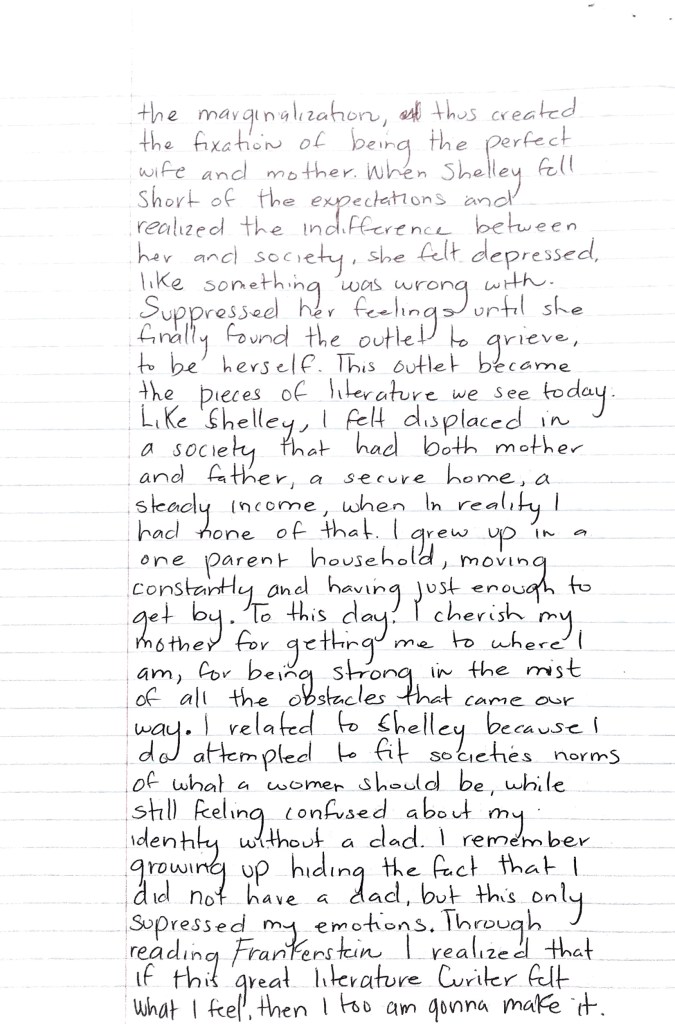
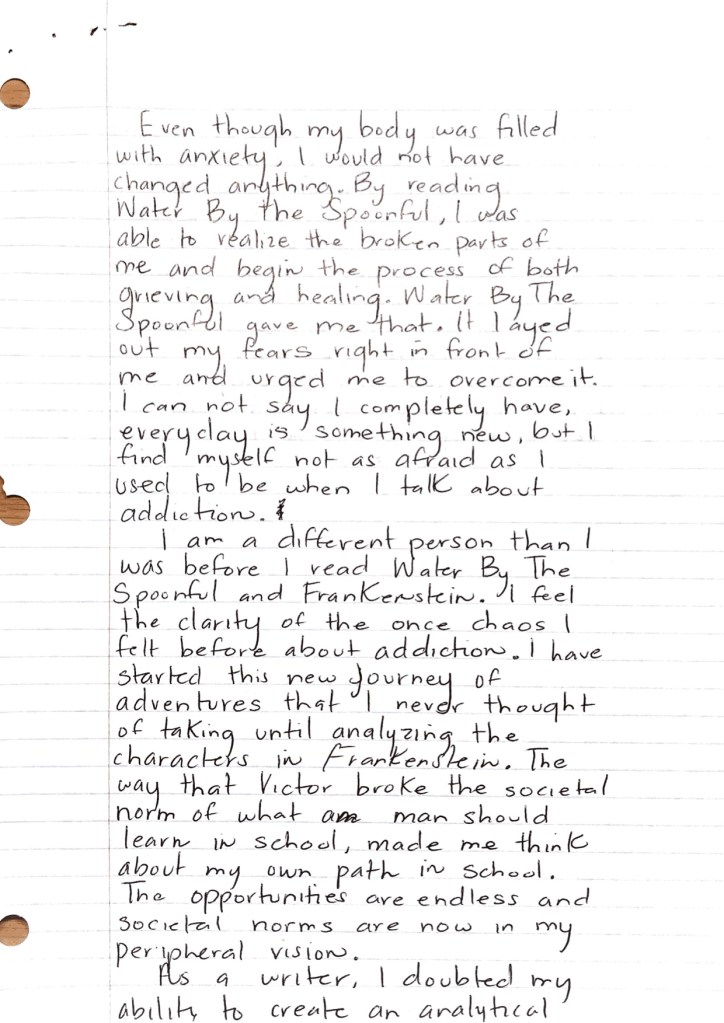
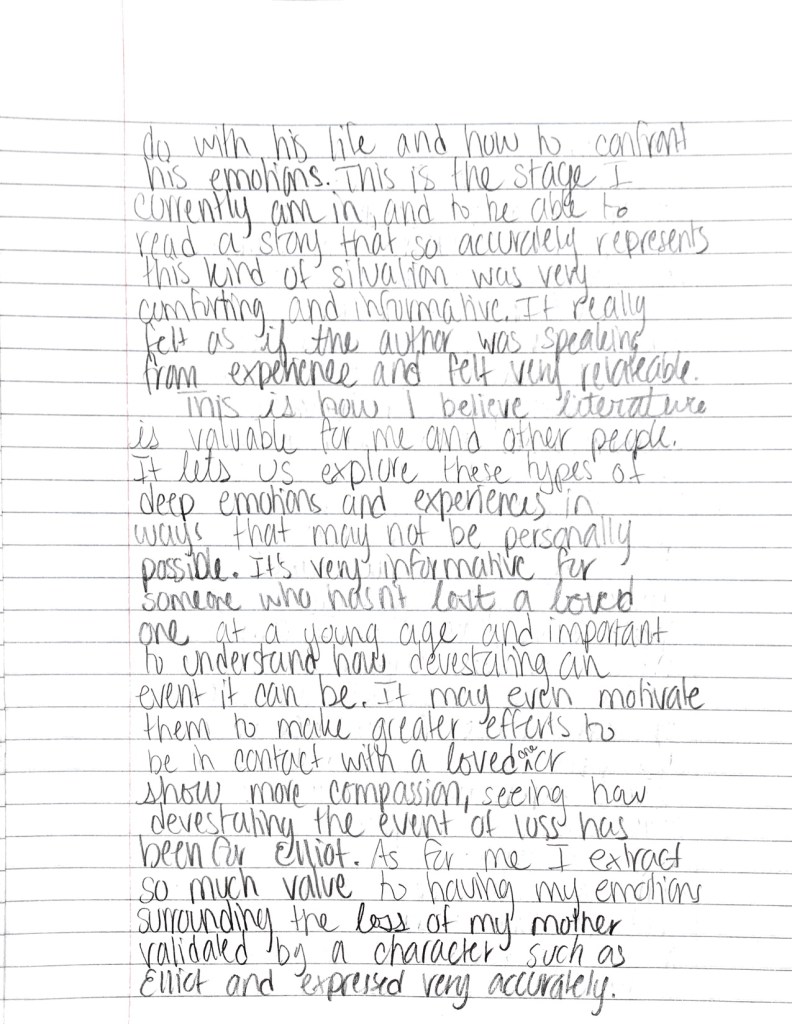
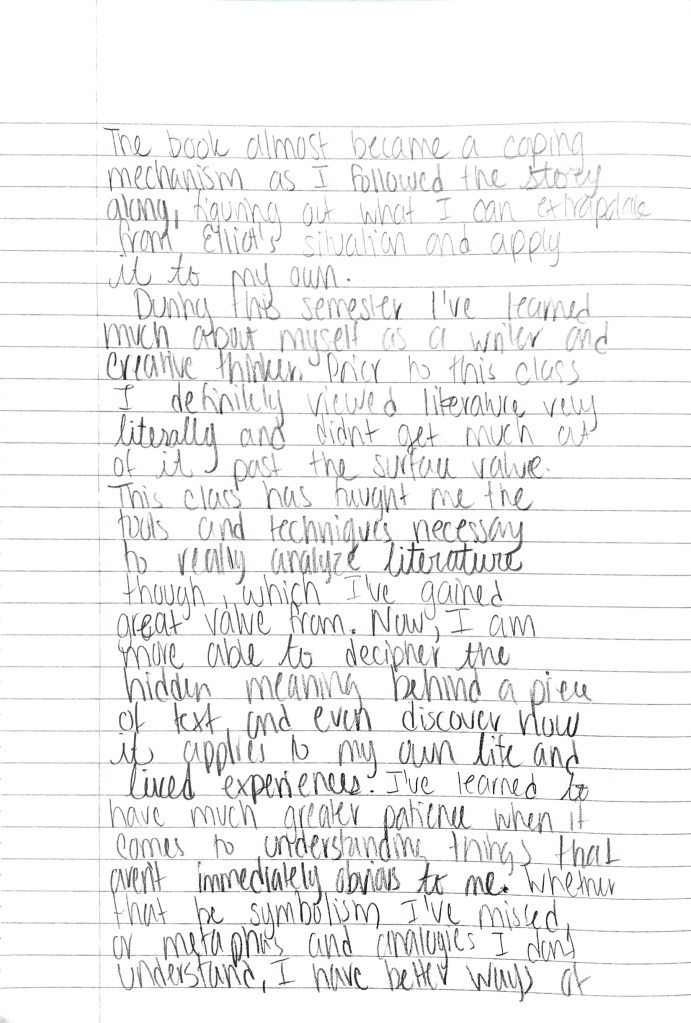
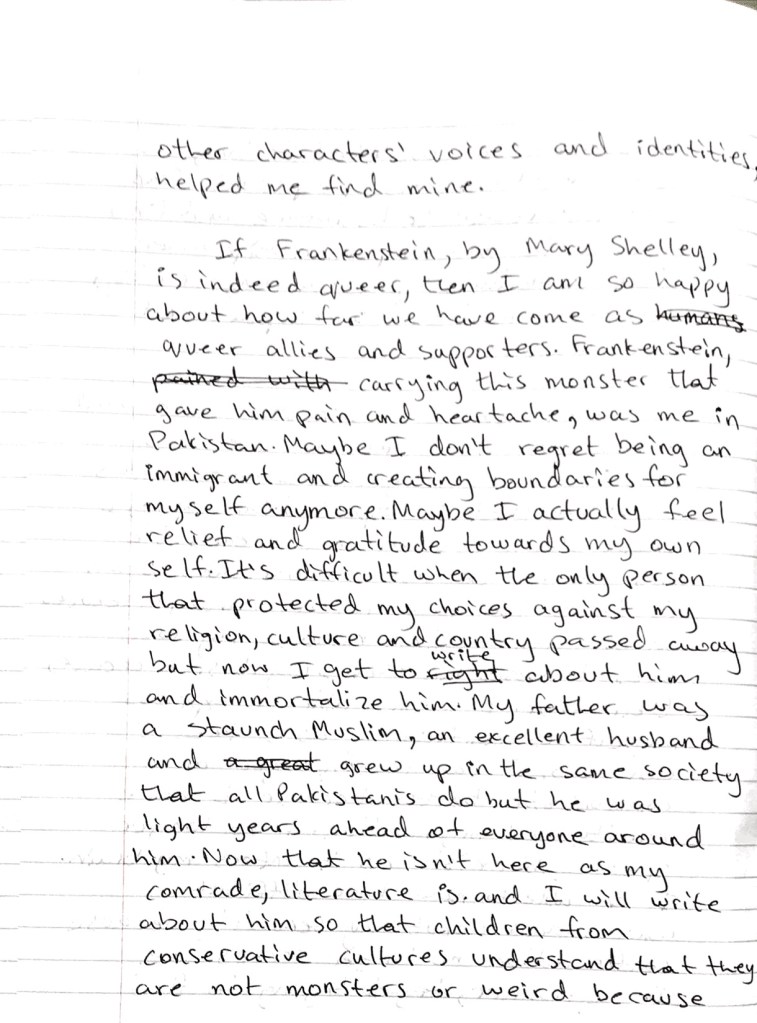
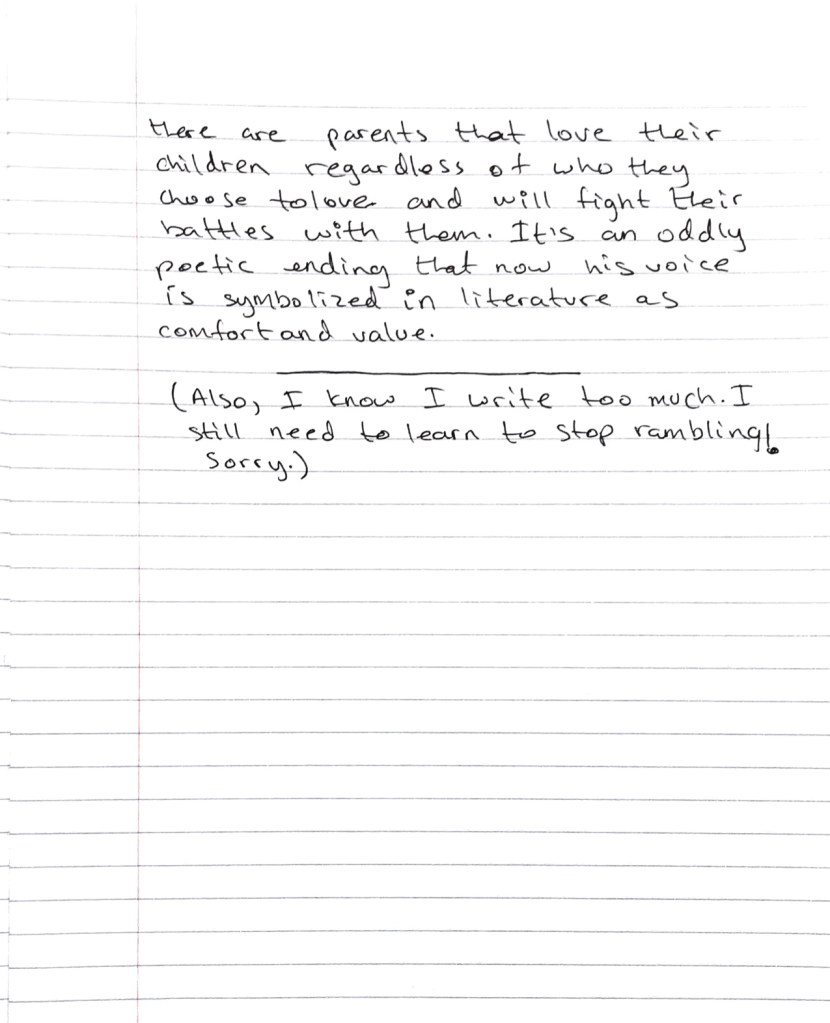
“When I started taking this class, I wasn’t looking to be moved or understood – I was looking for a checklist element as a transfer student into a four-year college. What I found was a way to grieve my father’s death.”

-student writing reflection

Below are two examples of writing reflections that I ask students to submit on their last day of class. There are three responses included. After, reflect on how decisions about first-day activities, learning activities, course policies, and course material can help students create a stronger connection in the classroom. We’ll also get the discussion going below with some questions to think about.

A Note on The Spark of Learning

Cavanaugh has a lot of suggestions and strategies for engaging students and using emotions-based thinking to influence decisions about course material and learning activities. There are several concepts that haven’t been covered here, so if you haven’t read her book, I recommend it!

In the meantime, I’ve put together a quick tip sheet based on Cavanaugh’s text: Emotion-Focused Tips for the Classroom (PDF Download). Check it out!

Further Readings

  • Small Teaching – James Lang (and blog)
  • Reading for Understanding (the Reading Apprenticeship Model)
  • The College Fear Factor – Rebecca Cox
  • Teaching Community  – bell hooks (and to reiterate Star’s suggestion: everything bell hooks)
  • Pedagogy Unbound – David Gooblar
  • “The R is for Repair” – Gottman Institute: this is a great source for understanding the importance of repair in relationships which we can translate to situations in our classrooms.

“Connecting with StudentsWorkshop

Join us on Friday, March 27th from 11a-12pm in QD119 for a one-hour workshop. We’ll test some ideas and think more about how we can create stronger communities in our classrooms.

Food For Thought: Let’s Get a Dialogue Going!

Take a few minutes to reflect on the questions below and leave your thoughts and ideas in the comments. Feel free to add further resources, strategies, and ideas you are currently practicing or using.

  1. Which of your own emotions impact the learning and teaching in your classroom?
  2. How can we create more opportunities for high-value and high-control in our classroom activities? With assessments? With policies and practices?
  3. Which student emotions are you reluctant to acknowledge and/or address? Why?
  4. How can we be more transparent in our practice?
  5. When students go wayward with some of their emotions, how can we bring them back into the community? Strategies?

Workshop Resources

Resources mentioned from the workshop today are listed below! We have the session recorded (a few minutes late – sorry!), but you can download the full session below! There are also articles to read, discussion questions from the session, and some assignments templates that you can import directly into your course. Browse and have fun!

“Connecting with Students” Workshop Recording & PPT

Here is the link to the live Zoom session for the “Connecting with Students” workshop!

Lessons and Discussion Board Ideas

COP Lesson: Historical Materialist Interpretation of Student Anxiety (Rob Hyers)

Articles for Reading

Assignment Templates for Download from Canvas Commons

I’ve created a module with 5 assignment templates you can download directly into your course. Download from Commons can be done in a few easy steps. You can also just view the templates as well in the Commons to see if you want to download them into your courses.

Follow the simplified directions for downloading below – OR view these directions for downloading from the Commons

  • Login to your RCC Canvas account
  • Select the “Commons” button on the far left navigation bar
  • Type in the module name: “Connecting with Students” – Assignment Templates
  • You’ll see my name (Alexandria Gilbert) come up as the author
  • Click on the title of the Module
  • On the far right select the blue “Import/Download” option
  • Select the course you want to import it to

Workshop Discussion Questions

Think about the stuff you have accumulated so far in your life. How did you acquire them? How much of it took hard work? How much of it was luck? How much help did you have from others? Considering what was said regarding the causes for student anxiety, how might the narratives you have created for yourself be helping or hurting your students? 

Consider the COP which focused on Culturally Responsive Teaching (CRT) and SODA (Stop, Observe, Detach, Awaken). What techniques do you already have in place in your classroom to address CRT issues? How might those techniques be modified to also include the treatment of your students in poverty? 

What are emotions that instructors are feeling during this transition? How might those emotions impact the way we interact with students? What are some strategies we can use to address our own emotions?


What are some of the ways in which we are allowing students to run the learning and feedback portion of our courses or might adapt those things to allow students to be more closely at the center of the power?

What are some of the ways in which we might de-center ourselves from the power of that learning and feedback loop in our classes or in feedback loop? Or ways in which we might adapt things we are doing to provide a more collaborative approach?

In what ways may students feel out of control right now? What areas of your course have “choice” built into them already? Is there another area where choice can be added? What opportunities for student-student interaction do you have in your online environment? How can you add 1 more opportunity for students to connect in the next week or unit?