Managing the Grading Caseload…During a Pandemic

Would you be surprised if I told you I had a hard time sitting down to write this blog post? Grading, or even just talking about grading, is not really at the top of my list right now. But, even in the best of scenarios – wearing real pants, drinking nice coffee, in a clean and dedicated workspace, and all caught up on grading except for those fresh stacks of essays – I would likely still procrasti-do-all-the-laundry-and-hey-might-as-well-darn-these-socks-while-I’m-at-it-amirite before I spilt ink on that first paper. Now, it’s an even greater struggle as we manage the changes in our own home lives while troubleshooting technology for ourselves and with our classes, trying to keep and motivate our students, and worrying how everyone is dealing with everything outside of the classroom, too.

The Rock carrying a comically large bag: "Moving out? Nope...Just a teacher taking home some papers to grade.

And yet, as ever, the work of grading essays looms. But as much as I have to cajole myself into diving into a new pile of papers, I’d be lying if I said it was all drudgery. I have definitely silently or not-so-silently raised the roof at my desk when I read a student’s insightful observation about an enjambed line, when I could tell in a final draft that the student was really paying attention to that lesson on quotation sandwiches, when the parenthetical citations were pristine and even that hanging indent was on point! In these best, quiet grading moments, we see our students, and we get a chance to tell them what we saw – the work that still remains, sure, but also the work they did to understand that difficult concept, the effort they put in to make sure that everything looked just right, the thinking and growing and learning that is still in progress. While grading may literally be putting grades on papers and in gradebooks, the process is and means more than that. Ken Bain in What the Best College Teachers Do puts it this way: “[G]rading becomes not a means to rank but a way to communicate with students” (153). Many things have changed very quickly this term, but the grading, more or less as we have always known it (give or take a learning management system), is still there, both as a means of touching base with our students and communicating our reactions and expectations, and as very real labor.

Grading Yoda sez, "Grading papers I am. Grading machine I have become."

Corresponding with the team about how to handle this topic, it became clear that we needed and wanted to explore not just ways of managing the important work of grading generally, but ways of thinking about how to handle our grading load in this strange and stressful time specifically. First, how can we more efficiently do the grading that we need and often actually want to do? What tips, what strategies, what grading hacks? And, looking at the last half of the semester, what can we do to rethink or reconfigure our plans to make the space to be more kind and forgiving to ourselves? As we’re working so hard to be flexible with our students, are we also being flexible with ourselves, our plans, our expectations?

Grading Hacks

The Internet is full of articles about how to grade more efficiently – “Ways to Cut Your Grading Time in Half”! “How to Escape Grading Jail”! Let me summarize the literature for you – you can do lots of different things, some things with technology or some things without technology, and not all of these things will work for all of us, but there are many things to try. The advice is diverse and general, and while I will offer some suggestions and direct you to some sites below, what really interests me is what you all are doing to adapt your grading practice to this particular moment (leave your best grading tips for us below in the comment section!).

One author, Nicki Litherland Baker, has an interesting take if only because it helps us see our grading work in another light. In an article titled “‘Get it off my stack’: Teachers’ Tools for Grading Papers,” Baker uses something called activity theory to observe that “teachers’ comments follow predictable conventions, making feedback a specific genre” (40). In this formulation, the work of grading is essentially writing, so as grader-writers we need to approach it in the same ways we encourage our students through their own processes – by breaking it up into manageable chunks, by forcing ourselves to begin and put time in even on days we’re not feeling particularly inspired, and by motivating ourselves with intrinsic and extrinsic rewards (43). Sometimes we can forget how much like our students we are! Especially now, when there are lots of other important things on our minds, we have to think about how we can scaffold our process to set ourselves up for success. So what can we do?

Embrace what technology can do. Technology is hard. A couple of times a day, any given day, I get an email from a student about a link that’s not working, an assignment that is locked, or a slow ConferZoom connection. But for all the tech issues we have to navigate, there are unique things that we can do online. In my discussion boards, I ask my students to respond to a prompt and then ask them to reply to one of their classmates’ insights, and I often give them the choice of responding with text, or with a meme or GIF (one of many great ideas from Flower Darby, co-author of Small Teaching Online). I miss seeing my students’ facial expressions and reactions in the classroom, but a well-chosen GIF or meme is worth a thousand words. It’s also really easy to grade — if they left a meme, I know they’ve been back to the discussion board and are keeping an eye on the conversation.

Canvas has a lot of time-saving and grading-specific capabilities already built in, too. You can, for instance, set up your gradebook to drop the lowest quiz score, leave audio feedback in the same place you leave a written comment, and, when you’re grading an assignment, you can directly message students who haven’t submitted without leaving your gradebook. It also has a rubric feature to help you grade assignments more efficiently. I started using Canvas rubrics more this year and though it takes time to set them up, they do help me stay focused while grading. I like that I can put my own words into them so the comments really sound like me and that I can still add comments if I need to/cannot help it, but if I set up my rubric well enough in the beginning, I often don’t need to add anything else. I also like that students can use the same rubric to evaluate each other’s work during peer review so there are no surprises about what we’re looking for. Being really clear with myself and students about expectations also cuts down on the grading time.
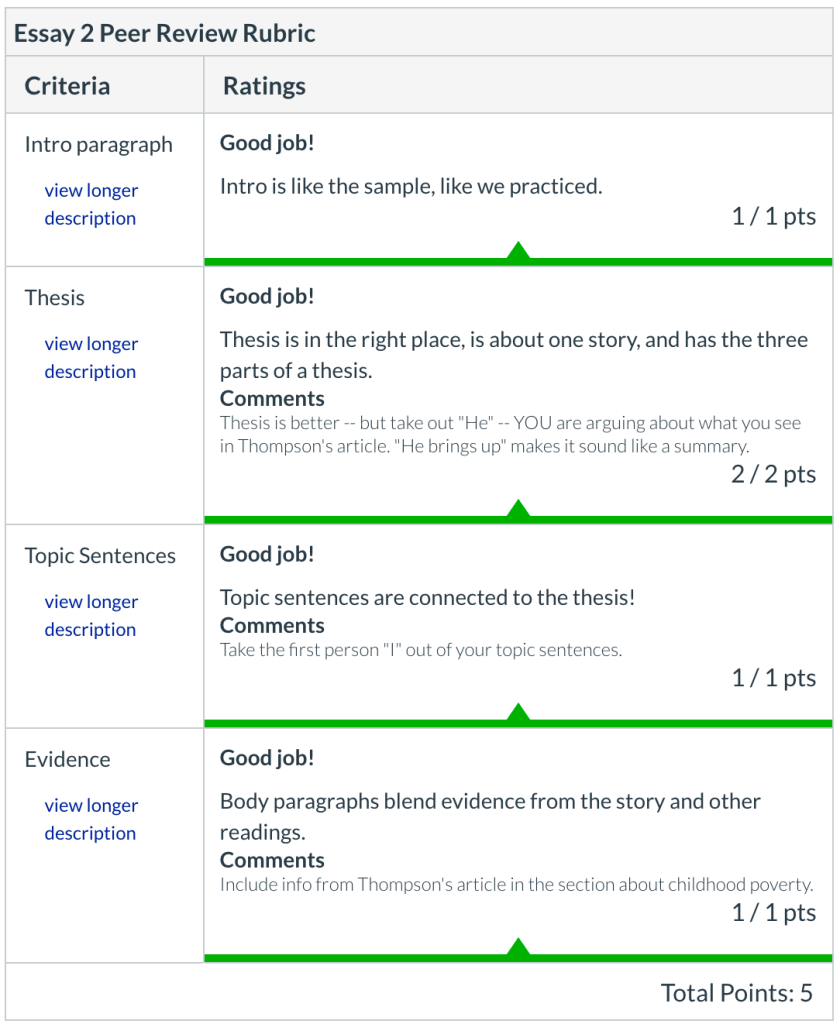
This is a sample peer review rubric that both I and the students used to evaluate an essay draft. There are rubric categories with comments with frequent comments/areas of concern, and there is also space for additional comments from me. This student had a solid draft, and so all of the required elements are in green, but if they were missing parts or needed to work on different areas, they would be in red, so it can also be pretty useful visual tool for what students need to work on.

And no matter what you’re using to provide feedback on essays (Canvas, Turnitin, Word, GoogleDocs), you can create a “commenting library” where you can save time by keeping your most common notes to copy and paste alongside helpful links/resources you can connect your students to directly. At the end of this post, you’ll find a few links about these Canvas grading options that you might try out to make your grading more efficient.

Get by with a little help from your friends. One colleague, now retired, used to email gems she found while grading – fun and funny sentences that she encountered in student work. These emails made the often very solitary work of grading feel a little less so, and put a little pep in my grading step. Email/text/zoom (if you aren’t zoomed out) your teacher and writer and grammar friends when you’re making your way through a stack. Better yet, treat it like an extrinsic reward – grade 5 papers, and then take a break and have a 2-minute virtual dance party with your work besties.

And you know who else you can share this work with? Your students. Bain writes that “some of the best professors ask students to assess themselves. One frequently used model requests that they provide evidence and conclusion about the nature of their learning” (163). While it is not feasible for every assignment, I think this type of reflective assignment could be especially valuable in this context, a space for students to think about what they have overcome and what they have accomplished under extraordinary circumstances.

Don’t sweat the small stuff. We’re living and working through a pandemic. Give everyone some slack, including yourself. This can take on different forms. It might mean prioritizing some grading over others. In her comment to this post, for instance, Janelle shares how she gives automatic points for a draft turned in, but also gives constant feedback throughout the writing process – assigning points quickly to be able to spend more time commenting and communicating meaningfully. For me, not sweating the small things means adopting “Okay” as a mantra. You need an extension? Okay. You forgot to document that required source and want to fix it now? Okay. You mean, dear student, that you recognized the work that needed to be done and are actually trying to do it and turn it in to me? Okay! At the end of the day, especially if the assignment is still in my grading queue or in progress, especially during a pandemic, I say “okay,” and move on to the eleventy billion other things I have to do without agonizing over it. Bain observes that flexing “power over grades” through deadlines might just be counterproductive to learning (154). He isn’t saying to get rid of deadlines altogether, but rather to evaluate whether our attitudes and policies and practices actually facilitate learning.

Grading Flexibility: “Triage”

At Academic Senate this week, during a roundtable on the college’s approach to COVID-19, one word that came up often was “triage.” The college has been sorting through the problems and concerns and addressing the most pressing needs first. In the week we shifted to teaching online, I know that many of us triaged our own work. We stopped what we were doing to learn the technology, help situate our students, and put together a module or two before even thinking about grading again. Now that we’re at mid-term, maybe it’s worth pausing to take stock, to see if there are any adjustments we might make to give us a little more space to breathe.

Cover of Ken Bain's What the Best College Teachers Do

Bain gives us what I think is some good criteria for grading triage in a chapter looking at how the best college professors approach grading, or assessment, and evaluation. The most outstanding teachers, Bain tells us, take a “learning-based approach” instead of a “performance-based” one. In the latter, “students’ grades come primarily from their ability to comply with the dictates of the course,” but in the former, the professor asks a fundamental question: “What kind of intellectual and personal development do I want my students to enjoy in this class, and what evidence might I collect about the nature and progress of their development?” (152-53). For triage, while keeping CORs and SLOs in mind, we might ask questions like: Do I have any assignments lined up that are performance-based, and what can I do to make them more learning-based? Where are my students now in terms of SLOs? What assignments would best serve the goals of the class and my students’ learning, right now? How can I make assignments that are high value for student learning but easier on the grading? What assignments will give me the best opportunities to communicate with my students about how to move forward?

Discussion Questions

  • How do you communicate with your students through grading? How can you make sure you’re being compassionate and constructive while being efficient?
  • What are your best grading strategies? What are your grading hacks? What keeps you motivated through those stacks of essays?
  • What grading triage, if any, have you done, or thinking of doing?
  • How have you been flexible with yourself in terms of your plans or expectations for the semester? Where might you be more flexible?
  • What are your best examples of learning-based assessments?

Thoughts? Join the discussion below. And we hope you’ll join us for a virtual meeting during college hour on April 30!

Some Helpful Resources

Resources from the Workshop on Zoom

Here’s the article we mentioned at the beginning: https://www.huffpost.com/entry/dont-care-about-work-coronavirus_l_5ea0aa73c5b69150246ce525

Take Care and Pace Yourself: This Is the Long Game

Thanks to everyone for doing such a great job in the transition to Canvas. The past few days have demanded extra professional lifting from all of us under stressful and uncertain conditions. It’s been no small thing to get going. Great job!

An extra special shout-out of appreciation for those of you who were already using the platform and who have been helping so generously, assisting colleagues with questions, troubleshooting, and other concerns.

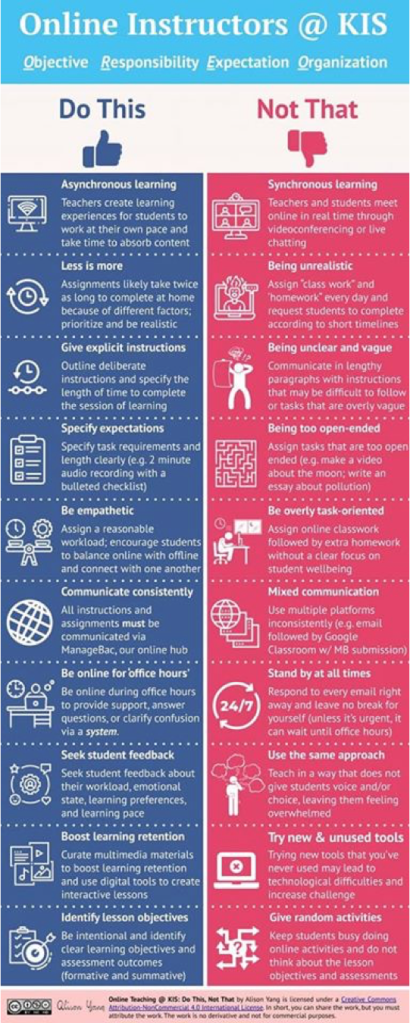
Let’s also remember to pace ourselves as we transition with these new tools, to avoid burnout on many fronts. If you’re already using Zoom or loading videos into Canvas or having synchronous workshops right now (or whenever), go for it. BUT if you’re taking it slower, that is fine, too.

Our collective safety, physical health, and mental well-being are top priority right now. As we wait to see how this crisis will play out, it is OK to ramp up your courses slowly to maintain educational continuity. Many, many of our students will need extra time to get plugged in and to feel “fluent” with all of their class experiences changing modalities.

Going forward, as we find new ways to show up for each other and for our students, it’s also important to consider how you will set friendly and firm boundaries for your “available” time online.

You don’t have to solve everything today. Stay steady. Stay well, everyone. We will get through this.

Help With Canvas: A Thread

Questions about using Canvas? Post in the comments below! And if you’re reading can answer someone else’s question, please don’t hesitate to respond!

Handouts for Students

Articles About Teaching Online

Some Tools for Online Teaching

  • Screencast-o-matic – create short (15min or less) videos to help deliver content to your students. You can record yourself or your computer screen. Creating an account and storing videos is free.
  • Here’s is also a helpful tutorial video on the basics of Screencast-o-matic.
  • ConferZoom – conferencing tool that allows you to meet with students online or hold synchronous sessions online if needed. You can share your screen to host live sessions or do 1-1 meetings. Creating an account is free (with your district email address). Students can join via computers with video and audio or audio only with their phones.

Accessibility

If you’re doing tutorial videos and screen-casting they’ll need to be captioned! If you’re scanning PDF files, then the files will need to be optimized for screen-readers as well. Resources on both below.

Scanned PDF documents are not accessible until you convert them for optical character recognition.  This conversion can be done using Adobe Acrobat Pro, which all faculty have access to. Using Adobe Acrobat Pro for accessible documents

Creating Classroom Communities to Support Students

When we think of the classroom, we often think of it as a space for logic to thrive, ideas to flourish, and critical thinking to expand. But how often do we consider the classroom as a space for emotional processing and connection? Connecting with students in the classroom can be both a rewarding and frustrating endeavor. It takes intentional effort to plan out how you want students to build community with each other and with you. And even after we’ve planned, it doesn’t always turn out the way we intended, which can be a good thing!

I recently received an email from a student after our latest winter course ended. It was probably day two of the spring semester, and I had already buckled down into the beginning of a new course with all new students. After a few follow-up questions, the student wrote:

“The atmosphere and environment within the classroom is honestly amazing and I’m feeling the withdrawal of our group going into the Spring semester.”

-English 1B student

Withdrawal. I was pleasantly shocked at this response. Withdrawal is a powerful emotion. And I think this tells us that students walk away from our classrooms with much more than new knowledge about writing. They walk away with an emotional experience, one that hopefully remains meaningful long after the semester has ended.

Sarah Cavanaugh makes a case for emotion-based pedagogy with her text, The Spark of Learning. When we engage student emotions in the classroom, there is a higher likelihood they will retain knowledge, enhance memory, and increase the value of their learning. If you’re looking for some heavy-lifting research on this, I recommend the first eighty pages or so of Spark of Learning. There are also further resources included below. The conversation I’d like to focus on is how these emotions are embedded in the connections we build in the classroom. By creating communities in our classes, we give students the opportunities to grow as learners.

First Impressions

Perhaps the most important day of the semester is day one, first impressions. It’s the day students make micro decisions about us and about their capacities in the course. This day comes with a whole host of emotions. I ask students to reflect on their first-day emotions and several come back with ideas of self-doubt, lack of motivation, and uncertainty in their abilities to make it all the way through. Fear. Rebecca Cox addresses this fear in her text, The College Fear Factor, where she says: “[t]he fear of failure – rather than the actual failure or evidence of unsuitability – prevents full commitment and engagement” (41). On day one students’ emotions decide their levels of commitment, engagement, and the value of the course to their lives. By creating a strong connection with students, we have the opportunity to lessen this fear and anxiety.

Fear and anxiety are disengaging emotions, and their presence in the classroom is why Cavanaugh spends quite of bit of time discussing the first day. It’s the most important day. Several semesters ago I made a decision to focus intently on connections on the first day rather than the syllabus. Hold on – we still cover the syllabus. But the emphasis for the first day is quite clear: I’m interested in each of you as people, not just as students or waitlist additions. Cavanaugh suggests that this emphasis on instructor-student connection is one of the markers of student persistence and motivation.

Emphasizing connection means making ourselves human in students’ eyes. They are curious to know why we love teaching, why we love learning, and why we’re excited to be there. Ask them similar questions. The first day sets the groundwork for the rest of the semester. When we are able to make micro moves like using student names or asking intentional questions, we make meaningful connections with students on the first day, which opens the door to stronger instructor-student relationships throughout the semester (Cavanaugh 62). When students feel they can trust us, it increases the likelihood that they’ll reach out for help, seek guidance, and listen to feedback about their writing development.

Instructor Emotions & Transparency

We know that students’ emotions run high in the classroom, especially on the first day. But what about us? Cavanaugh really challenges us to consider: What are our emotions in the classroom? It is no unfortunate surprise that we run from classes to meetings to professional development activities. And when we finally sit, we slog through emails and projects and planning. And then when we have some glorious free time…oh yeah.. grading. We’d be remiss to think that our jobs do not impact our emotional states and that this emotional state does not cross over to the classroom. If we’re tired, moody, or overtaxed with uncharted amounts of caffeine and cortisol coursing through our system, how effective are we as instructors (or humans)? There isn’t an easy solution, but Cavanaugh makes a few suggestions. Most of these we’ve probably heard before: sleep, eat healthy, practice mindfulness, get that Vitamin D in (it’s the sunlight), go for a walk, exercise, spend time with loved ones.

We can be more intentional, though, by increasing awareness of our emotions that spill over into the classroom. Are you frustrated or overwhelmed or bored? How is that going to impact the way you deliver instructions or connect with students? Instead of finding ways to eliminate these emotions, the better suggestion is to embrace them with awareness and honesty. Again, become a human in your classroom and be honest. If you are grumpy and you do end up creating a disconnect, try apologizing. Be polite and recognize there are humans sitting in those seats. This type of behavior is what Cavanaugh considers immediacy, which “[r]elated to being mindfully in the moment and connected with your students, immediacy pertains to behaviors that are both spoken and unspoken and convey to students that you are interested in them, the material, and the process of learning” (100). By practicing this idea of immediacy, we’re also reinforcing a cycle of healthy connection: rupture and repair. Demonstrating transparency and honesty models this behavior for students. It lets students know that mistakes happen, and the point is to keep going.

Cavanaugh suggests that this type of transparency may be our most powerful policy. Being humans in front of students also extends into course policy. Our transparency policies can look like sharing rubrics and grading methods from the very start of the semester, vocalizing expectations on assignments, vocalizing reasoning for why we are doing activities and assessments, and how we expect students to perform, especially when they’re falling behind. The varying levels of honesty and transparency of our roles as instructors and how we’re organizing the classroom will extend the connections we make on day one into the rest of the semester.

The Power of Choice

Wherever possible, give students the power to choose their learning.

After the first day, how do we keep students connected? If we first do the work to create a strong instructor-student connection, then we can reinforce this trust in the classroom by organizing course materials and activities around the idea of emotional connection. One of the most helpful ways to do this is through high value and high control assignments and activities. If students have a choice in their learning, if we give them the opportunity to make decisions, the work they do and activities they engage in will hold more value. Cavanaugh notes that students make several appraisals in the classroom: “The first appraisal is that of control: to what degree students feel in control of the activities and outcomes that are important to them” (148). Wherever you can, embed choices into your course. Some good ideas are to practice active learning and give students options within that framework (see our first post in the series!).  Other ideas are to select an agenda for the day, give students the opportunity to elect due dates together, or practice setting class norms for the semester (an idea from the Reading Apprenticeship model). For assessments, consider multi-question writing prompts and using book clubs as a way to give students a choice in the texts they are reading. Creating a community of choice helps students see value in their work. Further, we can reinforce this value for students by representing their experiences in the class. Relating course material to real-life scenarios and choosing texts that reflect students’ experiences helps to create value for the work you are asking them to do. When students feel valued in this way, that positive emotion goes right back into the community.

Sticky Situations

Sometimes we don’t always connect with students, especially if there are negative emotions in the student’s experience. A few years back, I was consistently challenged by a duo that liked to sit in the back and whisper. Except it wasn’t whispering – it was talking. And they happened to be talking about me. I’d like to report here that I handled it well, drew excellent boundaries, and didn’t react at all. Not exactly.

While I did eventually pull in a colleague to strategize solutions, the impact of those students’ loud talking about me held a significant impact on my ability to manage discussion and deliver instructions for the day. I was distracted, my face turned red at some point, and I definitely called on them (twice) to answer questions I knew they weren’t paying attention to at all. Yikes.

This type of passive aggressive behavior is a huge impediment to the classroom as a safe space for learning and building community. Cavanaugh writes “They may flout your requests, refuse to participate in class discussions, engage in academic dishonesty, or actively or passively demonstrate disrespect. Reactance can be particularly problematic if students begin to share their disgruntlement with each other and encourage each other to greater heights of rebellion” (192). When we’re working with large groups of people in vulnerable environments like a classroom, reactance and defensive behaviors are bound to occur. These moments though are, again, a great opportunity for awareness of what else might be going on.

Am I reacting to my emotions here? What emotions might be informing these student behaviors?

In a separate semester than the talking duo from above, I decided to engage a reactive student. I was sensing some resistance, so after class I asked how she was feeling about the class. After some back and forth, she expressed fear and anxiety and was honestly just really confused about what the expectations were. She was afraid she was failing. We set up a time to meet in office hours and there we talked through the confusion and helped her feel more grounded. Cavanaugh suggests that we can disrupt negative emotions, or potentially disengaging behaviors, by practicing empathy and using politeness in our language (195-196). Again, the idea here is to consider students’ whole experiences as humans and not just students in a 2-hour class. These relational connections, however brief or extensive, can go a long way in supporting students to persist through the semester.  

The Impact of a CommunityBased Classroom

When students feel connected to the course material, are challenged to critically think about ideas, and are given support, their lives can be changed. And I think a lot of us come into teaching for this reason. We want to develop and impact students’ lives for the better.

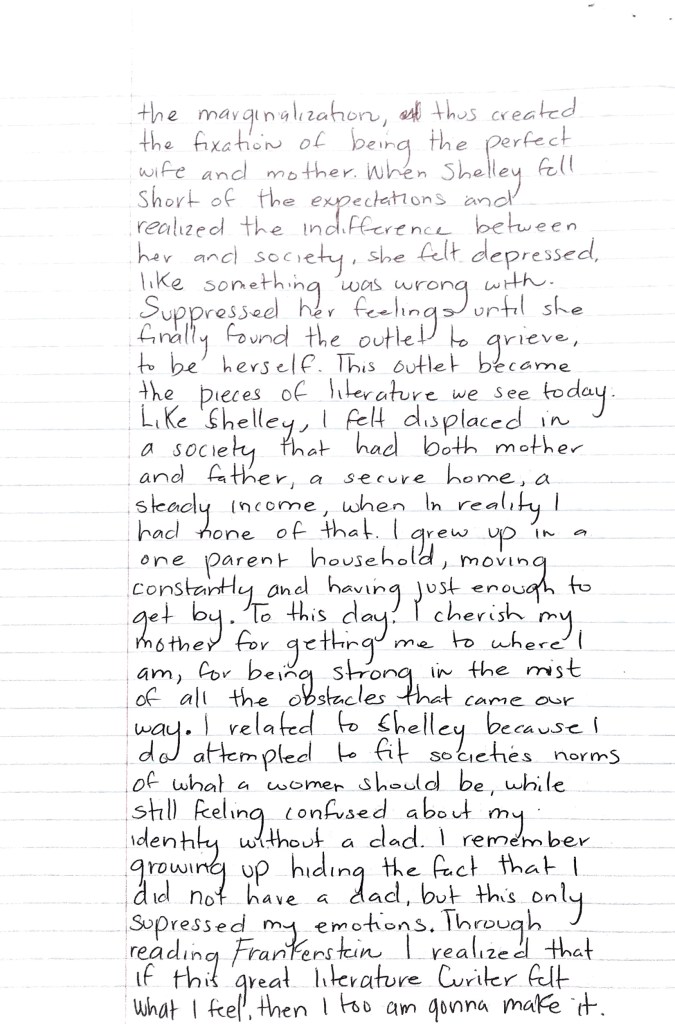
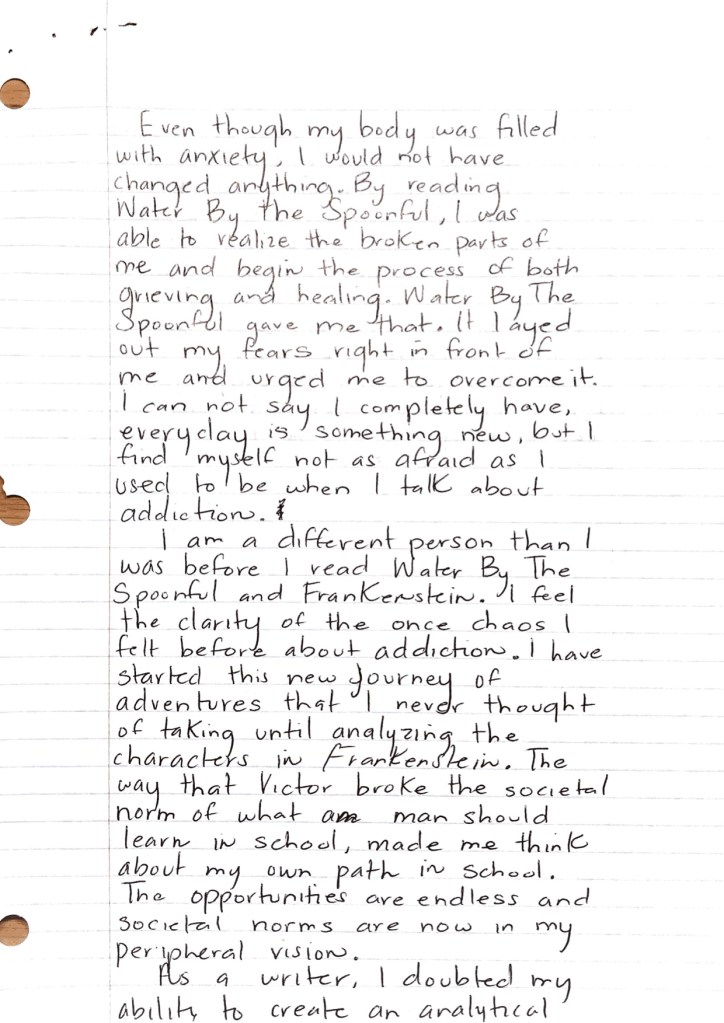
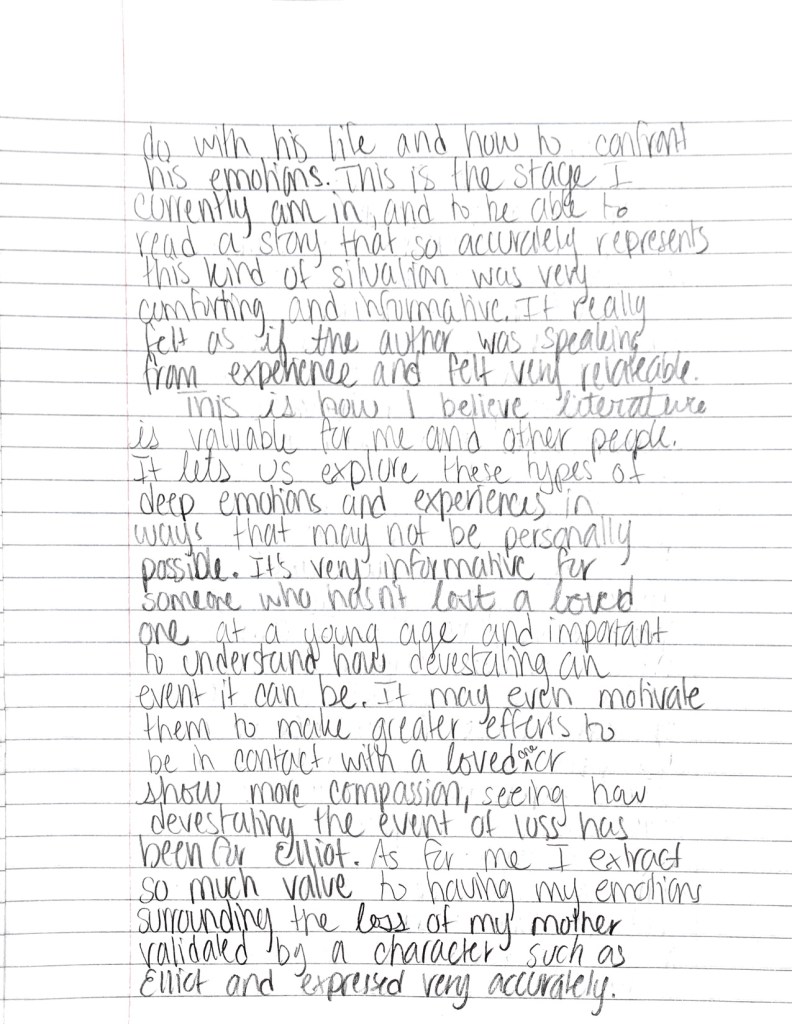
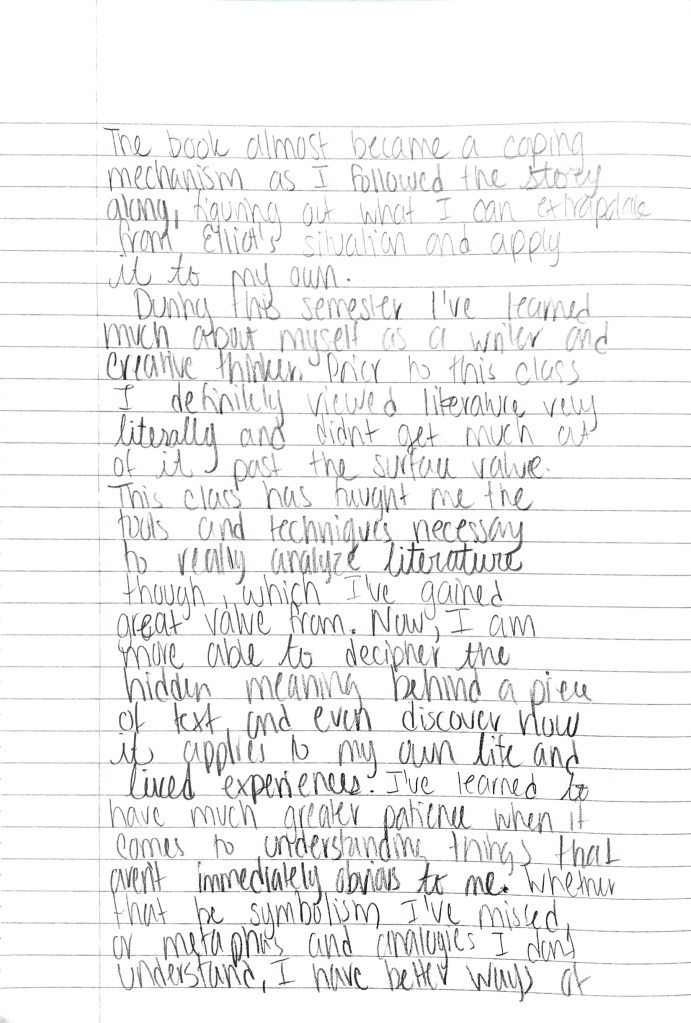
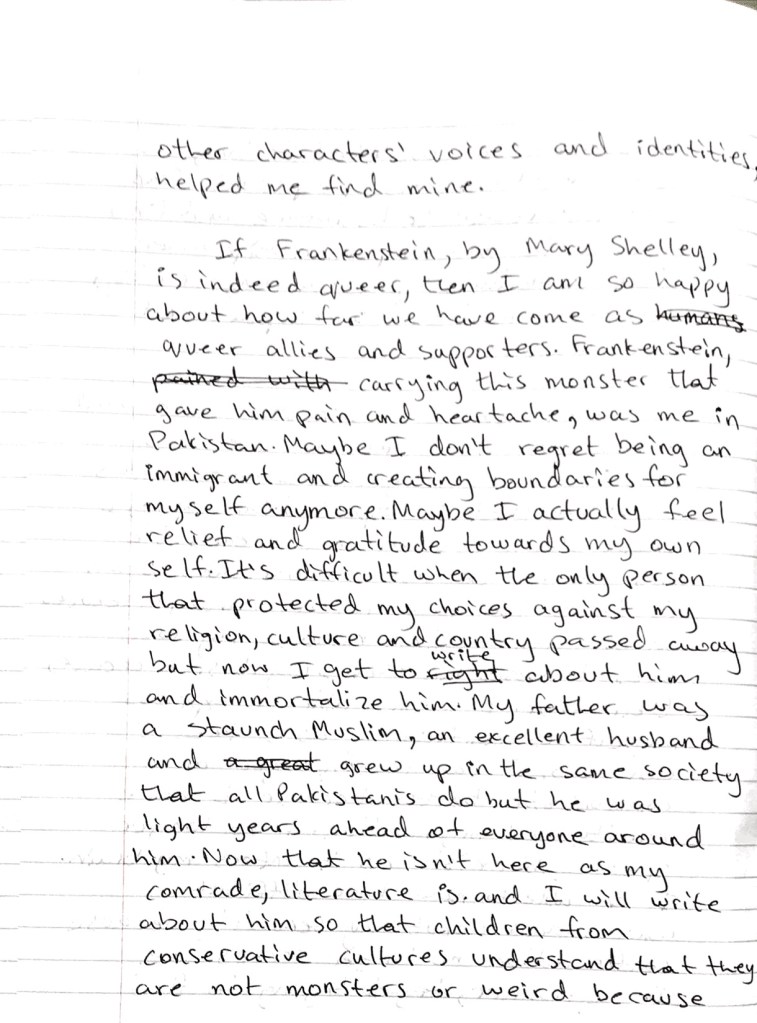
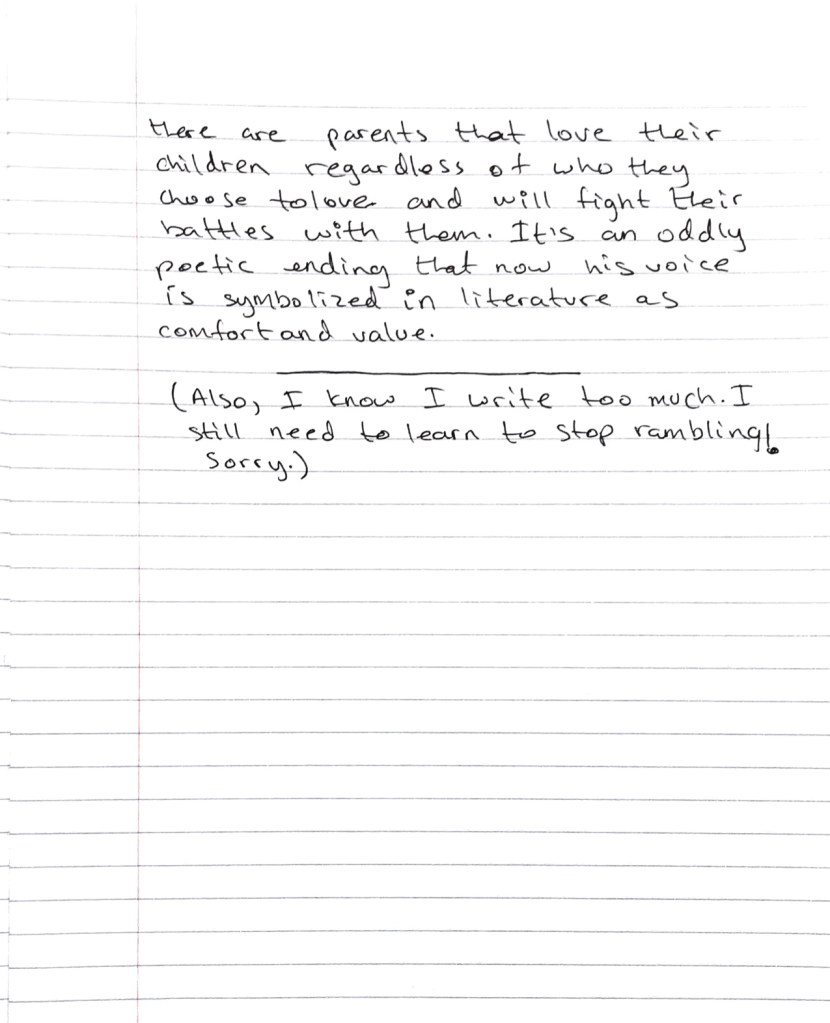
“When I started taking this class, I wasn’t looking to be moved or understood – I was looking for a checklist element as a transfer student into a four-year college. What I found was a way to grieve my father’s death.”

-student writing reflection

Below are two examples of writing reflections that I ask students to submit on their last day of class. There are three responses included. After, reflect on how decisions about first-day activities, learning activities, course policies, and course material can help students create a stronger connection in the classroom. We’ll also get the discussion going below with some questions to think about.

A Note on The Spark of Learning

Cavanaugh has a lot of suggestions and strategies for engaging students and using emotions-based thinking to influence decisions about course material and learning activities. There are several concepts that haven’t been covered here, so if you haven’t read her book, I recommend it!

In the meantime, I’ve put together a quick tip sheet based on Cavanaugh’s text: Emotion-Focused Tips for the Classroom (PDF Download). Check it out!

Further Readings

  • Small Teaching – James Lang (and blog)
  • Reading for Understanding (the Reading Apprenticeship Model)
  • The College Fear Factor – Rebecca Cox
  • Teaching Community  – bell hooks (and to reiterate Star’s suggestion: everything bell hooks)
  • Pedagogy Unbound – David Gooblar
  • “The R is for Repair” – Gottman Institute: this is a great source for understanding the importance of repair in relationships which we can translate to situations in our classrooms.

“Connecting with StudentsWorkshop

Join us on Friday, March 27th from 11a-12pm in QD119 for a one-hour workshop. We’ll test some ideas and think more about how we can create stronger communities in our classrooms.

Food For Thought: Let’s Get a Dialogue Going!

Take a few minutes to reflect on the questions below and leave your thoughts and ideas in the comments. Feel free to add further resources, strategies, and ideas you are currently practicing or using.

  1. Which of your own emotions impact the learning and teaching in your classroom?
  2. How can we create more opportunities for high-value and high-control in our classroom activities? With assessments? With policies and practices?
  3. Which student emotions are you reluctant to acknowledge and/or address? Why?
  4. How can we be more transparent in our practice?
  5. When students go wayward with some of their emotions, how can we bring them back into the community? Strategies?

Workshop Resources

Resources mentioned from the workshop today are listed below! We have the session recorded (a few minutes late – sorry!), but you can download the full session below! There are also articles to read, discussion questions from the session, and some assignments templates that you can import directly into your course. Browse and have fun!

“Connecting with Students” Workshop Recording & PPT

Here is the link to the live Zoom session for the “Connecting with Students” workshop!

Lessons and Discussion Board Ideas

COP Lesson: Historical Materialist Interpretation of Student Anxiety (Rob Hyers)

Articles for Reading

Assignment Templates for Download from Canvas Commons

I’ve created a module with 5 assignment templates you can download directly into your course. Download from Commons can be done in a few easy steps. You can also just view the templates as well in the Commons to see if you want to download them into your courses.

Follow the simplified directions for downloading below – OR view these directions for downloading from the Commons

  • Login to your RCC Canvas account
  • Select the “Commons” button on the far left navigation bar
  • Type in the module name: “Connecting with Students” – Assignment Templates
  • You’ll see my name (Alexandria Gilbert) come up as the author
  • Click on the title of the Module
  • On the far right select the blue “Import/Download” option
  • Select the course you want to import it to

Workshop Discussion Questions

Think about the stuff you have accumulated so far in your life. How did you acquire them? How much of it took hard work? How much of it was luck? How much help did you have from others? Considering what was said regarding the causes for student anxiety, how might the narratives you have created for yourself be helping or hurting your students? 

Consider the COP which focused on Culturally Responsive Teaching (CRT) and SODA (Stop, Observe, Detach, Awaken). What techniques do you already have in place in your classroom to address CRT issues? How might those techniques be modified to also include the treatment of your students in poverty? 

What are emotions that instructors are feeling during this transition? How might those emotions impact the way we interact with students? What are some strategies we can use to address our own emotions?


What are some of the ways in which we are allowing students to run the learning and feedback portion of our courses or might adapt those things to allow students to be more closely at the center of the power?

What are some of the ways in which we might de-center ourselves from the power of that learning and feedback loop in our classes or in feedback loop? Or ways in which we might adapt things we are doing to provide a more collaborative approach?

In what ways may students feel out of control right now? What areas of your course have “choice” built into them already? Is there another area where choice can be added? What opportunities for student-student interaction do you have in your online environment? How can you add 1 more opportunity for students to connect in the next week or unit?

Working in the ZPD: Supporting Students Through a Writing Project

When I was asked to lead a Community of Practice event, I enthusiastically accepted.  Having the chance to reflect on this topic and lead a workshop as an adjunct is something that I take seriously because I know the commitment we make to our students and the desire we have to continue improving our own instruction.  As the date approached, however, the familiar anxiety started to creep in.  (Anxiety compounded with the sea of papers and midterms!  We all know the struggle…  We can do this, my friends.)  Anyway, as I was saying, when I was a student, I always felt an *almost* debilitating anxiety when I had to write even though I have always excelled in academics.  My friends and classmates would shrug it off because they *knew* I would receive high marks, but I never had that confidence, so I worked hard and tried to control my anxiety.  I didn’t have a clear understanding of what every professor wanted in my writing, but I wrote to the best of my ability, often in a rushed late-night session.  Luckily, it turned out well.  (Shhh… Don’t tell my students!)  This personal struggle with anxiety and without explicit guidance is something that I discuss with my students, and it is one of the reasons that I spend so much time attending to the affective needs of students while also organizing and developing activities that address critical thinking, personal growth, and the writing process. 

For our conversation this month, I chose Raymond Wlodkowski’s Enhancing Adult Motivation to Learn: A Comprehensive Guide for Teaching All Adults.  The text resonated with me because it takes adult learners seriously and navigates the overlap between pedagogy and andragogy in a way that makes sense. Malcolm Knowles, the educator who named and popularized andragogy in the United States in the 1950s, talks about adults wanting to be “seen and treated by others as capable of self-direction” (qtd. in Wlodkowski 97).  Our students are adults; they want and have agency, but they also need direction.  Most plead, “Just tell me what to do!” at the beginning of the semester.  There is a delicate balance between their need for agency and their desire for strict requirements, and we look forward to hearing how each of you navigate this balance and what has worked and what hasn’t always worked.  When thinking about writing projects, my team and I considered the larger 1A research paper but also the smaller writing projects that require research and the in-class writing projects.  We also considered how “support” is woven into this academic conversation.

We all understand the demands that our community college students carry.  Whether we know about each student’s individual story or not, we need to be aware of how past learning experiences and financial and familial burdens affect the success of our students.  Most of our students are underserved, and it is our responsibility to recognize and honor their commitment and choice to attend our institution.  As Luke Woods, Co-Director of the Community College Equity Assessment Lab (CCEAL), discussed at the RCCD Student Equity Summit last year, “every registration is an act of trust.”  For this reason, we need to understand what motivates our students, what they want from us, and how we can get what we and the college want from them. 

The skills that we need to hone, according to Wlodkowski, are expertise, empathy, enthusiasm, clarity, and cultural responsiveness.  Fundamentally, we need to honor our students’ perspectives and experiences, and we need to be organized and enthusiastic about our field.  If we cannot inspire the students and clearly articulate the concepts we need them to learn, they will lose interest.  We need to help them see how that particular essay will help in their life outside of the classroom; sometimes the content is what might apply to the outside world, while other times it is the writing skill or critical thinking itself.  For myself, I organize my class around a larger umbrella term of social justice and identity, and each paper includes key learning outcomes and writing strategies that slowly build on one another.  While I let my students vote on topics at least two times in the semester, I always have a vision of what writing and rhetorical strategies I will ask them to engage with for every larger writing assignment.  This helps me address all the skills listed above to the best of my ability. 

A point that I think is particularly relevant to our discussions around AB 705 is one of the hazards Wlodkowski links to lack of enthusiasm: “You are having an attack of the good-old-days bug.  The learners aren’t as good as they used to be.  The instructional conditions have deteriorated.  You see things as they once were.  You feel depressed.  You tell yourself things will not get better” (76- 77).  While we all have debated about AB705 and what this means in our classroom, his warning should be heeded.  If we begin romanticizing the mythical good ol’ days, we will project that same distress and frustration to our students.  Just as we need to address their own negative self-doubts and attitudes, we need to look inward and do the same with ourselves.  These are our students, and this is our task.  We must continue growing and encouraging our students to do the same.

Students need four motivational conditions in the college setting: inclusion, attitude, meaning, and competence (102).  Basically, our students need to feel that the classroom is a safe zone for them to express their positions without being attacked.  Related to this idea is the relationship not simply between the instructor and the students, but also between the students themselves.  In their journals, students in my classes talk about the friendships they formed in the classroom and about the peers who helped them understand topics when they were struggling.  (I integrate peer reviews and discussions from the first week of class to foster the academic and personal growth of every student in that room.) In addition to often fearing the professor in the classroom, many of our students are also fighting loneliness and isolation.  This is not separate from our teaching in my eyes.  We need to attend to the affective needs because if students are struggling emotionally, they will struggle to prioritize or find meaning in attending college and taking our English classes. 

Students need help with that in whatever form we feel comfortable providing, but they also need to see that what they are doing is relevant and meaningful.  For me, this means repeating the rationale behind my prewriting activities and reminding them that they can succeed in this course.  (It also means allowing conversations that deviate from the assigned task for a few minutes at the end of class.)  I don’t expect the students to understand why I am having them write a reflection when we first begin writing metacognitive reflections.  I make that link for all of them the first couple of times, and they slowly start doing that without much guidance with subsequent papers.  Wlodkowski says, “New learning often asks them [students] to become temporarily dependent, to open their minds to new ideas, to rethink certain beliefs, and to try different ways of doing things.  This may be threatening or difficult for them, and their attitudes can easily lock in to support their resistance” (176).  We honor that dependence and trust by being aware of *how* learning happens and what stumbling blocks might appear along the way and modifying our instruction accordingly.

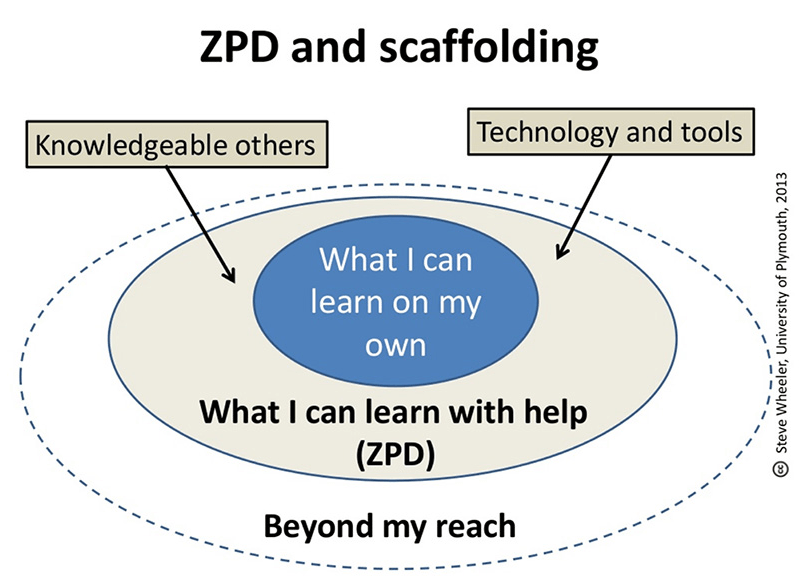
Visual representation of Vygotsky’s zones of development

According to Lev Vygotsky, a leading theorist in social constructivism, there are three zones of learning, and providing scaffolding and support during our writing projects is how we can tap into and strengthen this learning.  The zone of actual development (ZAD) is where students have mastered the required skills and are then in their comfort zone.  This is where some of our independent students are found, and this is where we want all of our students to be by the end of our classes.  We want them comfortable with research, MLA, thesis statements, essay construction, etc.  Their mastery of the skills makes up our learning outcomes.  Most of our students are fluctuating between the zone of eventual development (ZED) and the zone of proximal development (ZPD).  In the ZED, or anxiety zone, students are unable to understand our lessons even with our scaffolding and support.  As Wlodkowski asserts, “If the learning tasks are well beyond their current skills or prior knowledge, people will not be able to accomplish them, no matter how motivated they are” (6).  What we will focus on is the ZPD, or the reach zone.  Working in the ZPD entails using a variety of scaffolding techniques.  This includes the following:

  • Modeling
  • Anticipating difficulties
  • Providing prompts and cues
  • Using dialogue and discussion
  • Regulating the difficulty
  • Providing a checklist
  • Using reciprocal teaching and practice. ( Wlodkowski 184- 86)

In order to scaffold learning effectively, we need to distribute responsibility increasingly on the student.  In my own classes, I limit the choices and structure of the first two essays, and then I invite students to take initiative.  I have explicit and somewhat rigid guidelines in order to help them feel prepared to take on the writing task.  I don’t want them to struggle with the writing assignment because they have unclear learning objectives and requirements.  Pre-writing activities combined with a writing checklist and outline template let them know exactly what I want them to focus on for each essay.  Later in the semester, while I am covering important rhetorical and writing skills in class, I let them take more initiative with the writing. Finally, I link all my writing assignments to the assigned essay and the future research project that culminates the class.

While we consider our scaffolding techniques, we also need to be aware of students’ own emotional states.  The anxiety that I—and I assume many of you—struggled with is something I see mirrored in most of my students.  It is why I actively and intentionally explain my rationale for activities in the classroom and the WRC, and why I talk to students directly when I see them expressing frustration or confusion in class or in their writing.  Taking the academic and affective dimensions into account, we can begin to discuss how to support our students through writing projects.

Questions to consider:

  • Where do you draw the line or how do you distinguish between coddling and scaffolding for our college students?
  • Where do your students struggle most with writing assignments?  What steps do you take for the class as a whole?  How do you direct students to address their own writing issues on an individual level?
  • How do you scaffold each writing project that you assign? How do you deconstruct the prompt? Do you slowly provide more freedom for students or is creativity something that you highlight from day one?
  • How much agency do you give your students with writing projects?
  • How do you ensure that students are understanding what is required in their writing and that they are improving on those skills?

Additional texts that I read in conjunction with Wlodkowski’s work:

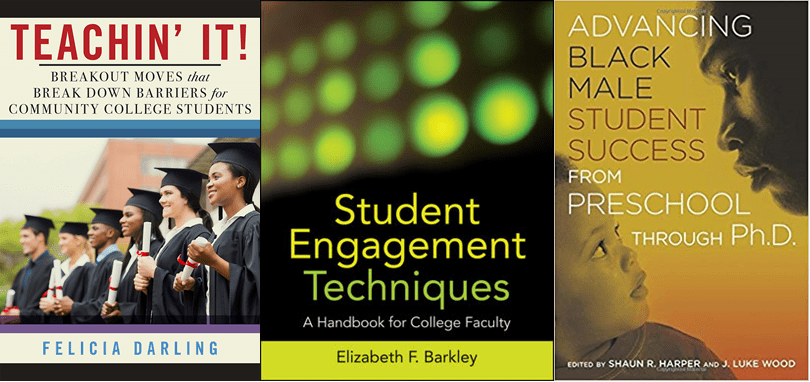
  • Felicia Darling, Teachin’ It!  Breakout Moves that Breakdown Barriers for Community College Students.
  • Elizabeth Barkley, Student Engagement Techniques: A Handbook for College Faculty.
  • Advancing Black Male Student Success from Preschool to Ph.D.  Edited by Shaun R. Harper and J. Luke Wood.

Culturally Responsive Teaching: Looking at the “Man” in the Mirror While Looking at Your Students.

When tasked with this opportunity to lead a discussion on Culturally Responsive Teaching, I both leapt for joy and cringed in the corner. I am super excited to talk about something I am extremely passionate about while at the same time mortified to tell my peers how they need to self evaluate while at the same time teach a spectrum of students who have different needs, wants, desires, personalities, backgrounds, education, and the list goes on and on. What have I gotten myself into? Here goes….

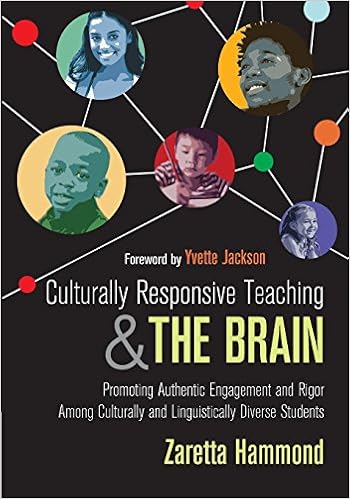
Culturally Responsive Teaching (CRT) is defined as “An educator’s ability to recognize students’ cultural displays of learning and meaning making and respond positively and constructively with teaching moves that use cultural knowledge as a scaffold to connect what the student knows to new concepts and content in order to promote effective information processing. All the while, the educator understands the importance of being in a relationship and having a social-emotional connecttion to the student in order to create a safe space for learning” (Hammond 15).

Among all the definitions of this concept, this book provides, in my opinion, the most accurate and effective meaning of this term, for it points back to the master and boss of the classroom, the instructor, us!!!! In Hammond’s definition, she points to us, the practitioners, the experts, the adults, to do the work of not only holding the student responsible for his/her education and success but in conjunction with those of us who disseminate information and who create the curriculum and lesson plans. She uses the word relationship pretty often in her text which means as instructors, we have to do more than simply greet students, call roll, answer emails, sit in office hours, and grade papers. Is that part of our jobs, yes, but that is not all that we should be doing. We need to see our students as people who need our guidance, understanding, and sometimes, dare I say, mercy. Our students are not just numbers on a roster or a misplaced period or comma; they are people who deserve to be seen, heard and acknowledged.

At its core, CRT is not merely understanding you have students from different racial and ethnic groups, students who are LGBTQI, deaf students, older students, younger students, male/female students. What CRT calls us to do as instructors is not to instruct but to teach, and there is a difference. A good teacher/professor does what Hammond and others say all the time which is first acknowledge our own implicit biases that may prohibit us from interacting with a certain person or a certain group altogether. Once you have done that, you now have to own it and deal with it. If you are sitting here reading this and say you do not have a problem or apprehension about a certain group, you need to be honest with yourself because we all have some implicit biases even if it is just a smidgen. Hammond insists “This might not be an issue in our day’to-day lives, but when we are the authority figure in the classroom, we have the power to penalize those students who seem to be acting in ways that are inconsistent with our cultural view” (56). Who are you penalizing because of what you think is going on or how you think the student is? Have you done that? I know I have, and I am ashamed.

Ok now that I have told yall I have penalized students (please do not revoke my tenure), what now? Simple!! I am going to have a S.O.D.A. (stop, observe, detach, and awaken). That is not mine; it came from Hammond. After I read this, I really looked at how I approached, interacted with, and reacted to certain groups; I had to check myself.

Image result for you better check yourself before you wreck yourself

As I bring my ramble to a close (sorry this is too long), I implore you to be a great teacher/professor and not merely an instructor and to look in the mirror and take inventory of your own crap and shortcomings and biases before you demonize and dismiss our students.

Image result for thank you for listening

Great Texts to Read:

  • Whistling Vivaldi – Claude Steele
  • Pedagogy of the Oppressed – Paulo Freire
  • White Like Me: Reflections on Race from a Privileged Son – Tim Wise
  • For White Folks Who Teach in The Hood…and the rest of yall too – Christopher Emdin
  • That Thing Around Your Neck – Chimamanda Ngozi Adichie
  • Anything bell hooks

Quick questions:

  1. What are some techniques you use to make sure every student feels comfortable to share in your classroom?
  2. What are some antiquated or just down right wrong activity or pedagogy that you have axed because you know it was not student-centered?
  3. What do you want your students to get out of your classroom besides how to use a comma, how to write an essay, how to perform research, etc?
  4. How do you present yourself as an ally/advocate to ALL students.
  5. What is the difference between teaching and instructing?

Active Learning: Let’s DO This

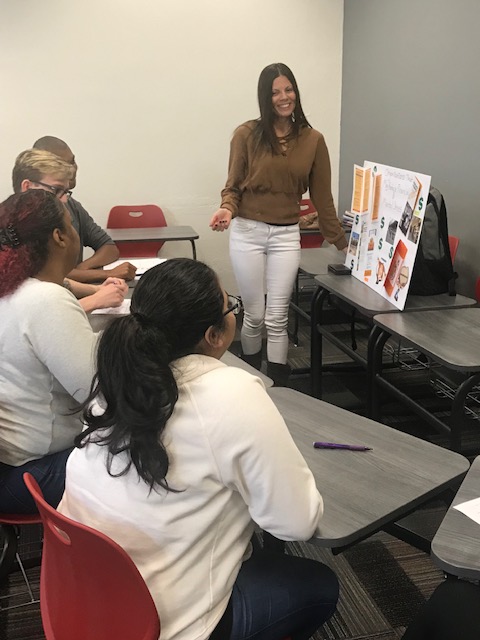
Students from Prof. Rosales’s English 50 class engaging in a “text-mapping” activity

[Lecturing] is tradition. It was part of my training, and seems like what I should be doing. I feel somehow guilty when I am not lecturing

– One professor’s response when asked why he lectures (qtd. in Bonwell and Eison 7).

I’ll be the first to admit that when I first started teaching, this quotation above could have been from me. I spent years in classes and seminars with professors in their sharp-looking corduroy coats with patches on the elbows, who spent hours talking at us as we furiously scribbled down every third word. So, naturally, when I started teaching, I assumed I should do the same. Sure, I peppered in some group work and discussions, but mainly it was a “Here’s what I know, now listen and learn” type of class. 

FORTUNATELY, a few years into teaching, one of my colleagues staged a “lecture intervention” on me and introduced me to a variety of active learning techniques: some from reading apprenticeship workshops, and some from acceleration workshops, all of which were very exciting, but also a bit overwhelming at the time. These new strategies and techniques forced me to reassess how I thought about learning and what it should look like. Over time, and after much trial and error, these once unfamiliar and overwhelming techniques became the norm in my classes, and I found myself automatically planning for what students would DO in the classroom rather than just what they would learn.

The test of a good teacher…is, ‘Do you regard “learning” as a noun or a verb?’

qtd. in Bonwell and Eison 10

I think we can all agree that learning cannot be defined as a passive activity. Therefore, we cannot teach our classes using what Paulo Freire describes as the “banking” method of education: students are receptacles waiting for us to open up their brains and deposit knowledge. To illustrate this idea of passive learning to my students, I’ll often compare it to a scene in The Matrix. The classroom exchange usually goes something like this:

So, my friends, we are not passive learners. We cannot learn how to write in the same way Neo learns how to do kung fu in The Matrix. 

After noticing a large number of blank stares, I’ll realize that many of them were born after the release of this film, and I’ll further elaborate on this example (all while trying to hide my utter shock and disappointment). 

Well, what happens is a wire gets shoved into the back of Neo’s brain, information is uploaded and, voila! Neo awakens and confidently claims: “I know kung fu.” Nice. 

Unfortunately, our brains do not work that way. We cannot learn through osmosis and Apple has yet to release “iBrain” technology that uploads knowledge directly into our brains; I mean, we’re at least 5 years away from that…

So in the meantime, in order to help our students learn what we want them to learn in our classrooms, we must engage them in an active process that not only provides them with knowledge and skills, but allows them to practice this in relevant ways. Freire argues that it is not enough to just gain knowledge. We must also be able to collaborate with others to think critically about our world and how we can act upon it — essentially, how we can DO something with what we have learned. 

Thus, an active learning environment encourages this collaboration while also inviting a diversity of ideas through activities like small and full class discussions, presentations, and Socratic seminars. Cathy Davidson mentions that “structuring a way where everyone in the room has a voice and has an opportunity to register an idea, is by far the most effective way to avoid ‘group think.’” 

There are a variety of ways to create an active learning environment that I think will fit any number of learning and teaching styles, room limitations, class sizes, or other variables. I hope that throughout this month in this blog and later at our meeting on September 27, we will be able to share some of the strategies we are using to engage our students in the learning process. I also hope we can address any questions or concerns you may have about using active learning techniques in your classes. As you brainstorm some ideas and evaluate what you already do to create an active learning environment, keep in mind some general characteristics of an active learning classroom outlined by Bonwell and Eison:

  • Students are involved in more than listening
  • Less emphasis is placed on transmitting information and more on developing students’ skills.
  • Students are involved in higher-order thinking (analysis, synthesis, evaluation)
  • Students are engaged in activities (e.g. reading, discussing, writing)
  • Greater emphasis is placed on students’ exploration of their own attitudes and values
  • Anything that involves students in doing things and thinking about the things they are doing. (2)

If you haven’t read Cathy Davidson’s “Active Learning” blog post, check that out as soon as you can. It’s a quick read and will give you a general overview of what active learning is and how it can look in the classroom. If you’d like some additional resources, I also recommend the following texts:

Let’s start the discussion here! If you could, take a few moments to leave a comment (after the jump!) responding to any of the questions below. Feel free to add information and links to any resources, activities, and assignments you are currently using. 

  1. Can you share a story of a student’s success (or multiple student successes) after using active learning strategies? What was the strategy? Why do you think it worked so well?
  2. What is one of your own “go-to” active learning strategies you use in your classes? Why is this your “go-to”?
  3. What questions or concerns do you have about using active learning strategies in the classroom? 

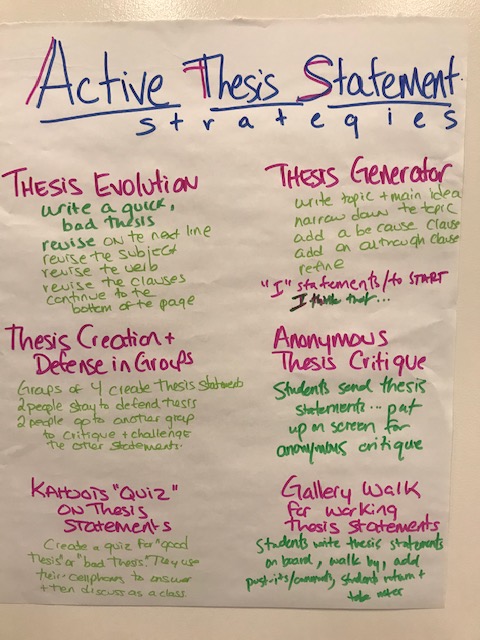
Thanks so much to everyone who was able to come to our meeting last Friday! Below are the wonderful posters you all created. I’ve also linked the “Active Learning Strategies” handout I distributed that day and the Google slides for anyone who wasn’t able to make it.

Community Standards: Five Ways to Join the Conversation

You’re here! Hooray! Not sure how to begin? Read our tips on joining the conversation.

  1. Share posts, give kudos, and invite colleagues to join in. Our community of practice is multi-modal, incorporating face-to-face discussions and electronic exploration of ideas. Not everyone is comfortable in every format, but we can create synergy by encouraging each other to engage.
  2. Offer your take on the anchor texts. So you’ve read the anchor texts — bully for you! Tell us what you think the author is really getting at, perhaps another way of looking at the topic to help round out our discussion.
  3. Connect to what’s happening in your classroom. One of our main goals is to use this space to share our classroom experiences — all of them. We want to hear your successes, yes, but we also want to hear what didn’t quite work (yet), or what worked with one class but not another. We want to hear about experiments, flukes, one-offs, struggles, and mistakes, too; the stuff you celebrate AND the things that keep you up at night.
  4. Ask questions. We’re all teachers here, so I don’t need to belabor how important it is to ask questions, but I will because that’s what teachers do. Hans-Georg Gadamer writes, “The essence of the question is the opening up, and keeping open, of possibilities.” Good questions are better than easy answers; they are places of possibility that help us learn and grow.
  5. Connect to outside texts that others might find useful. We know you know a lot, you know? Help us grow our reading lists!

That’s all for now, folks. Continue reading below to jump into our latest discussion topic.